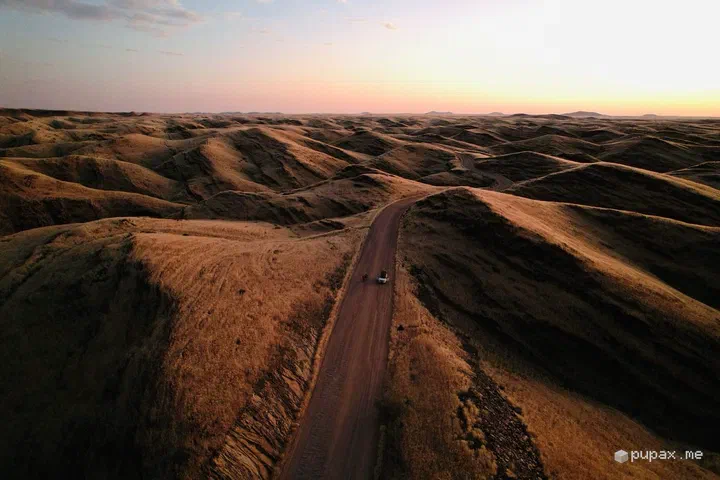

Travel log
- WindhoekArrival after a stopover in Ethiopia
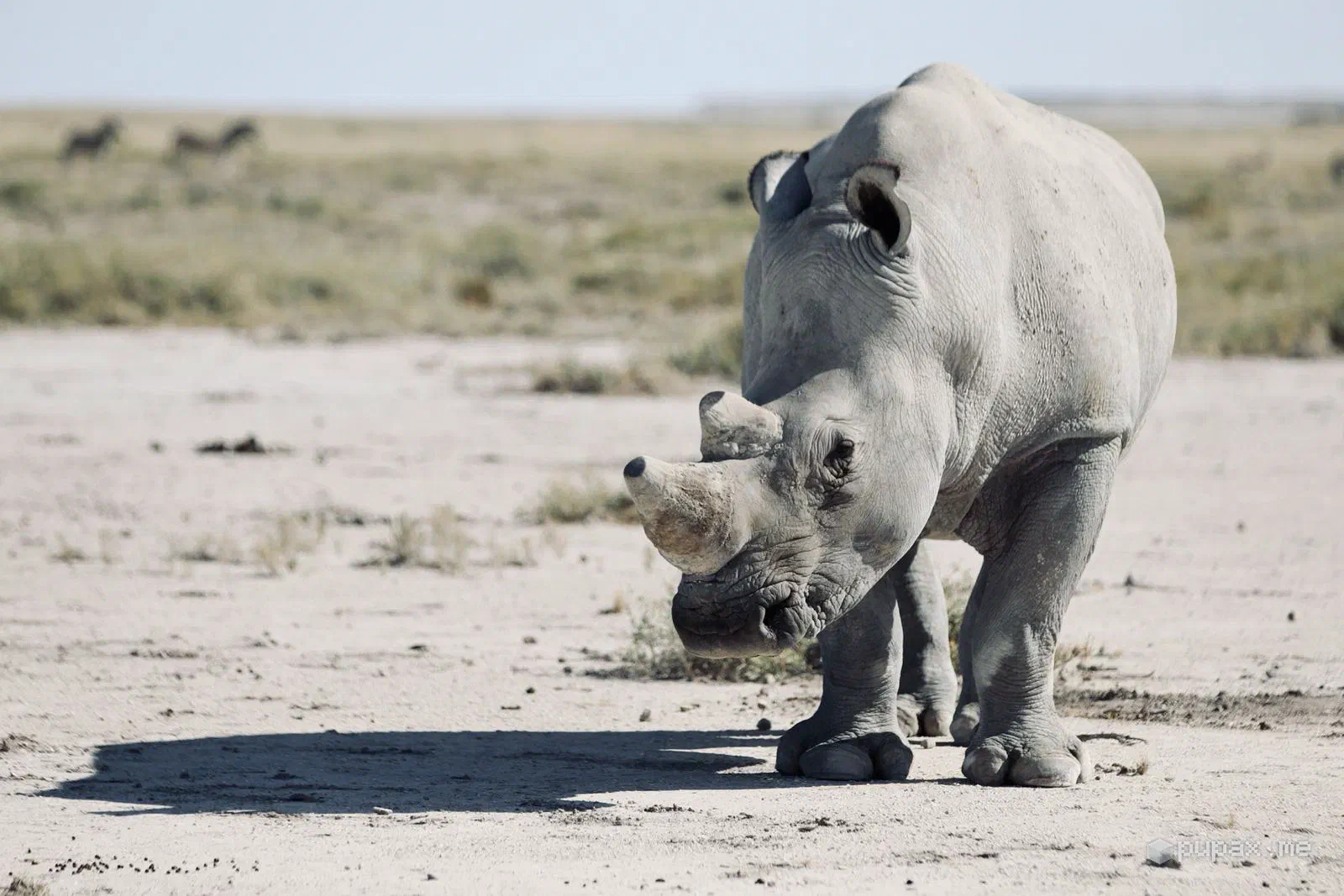
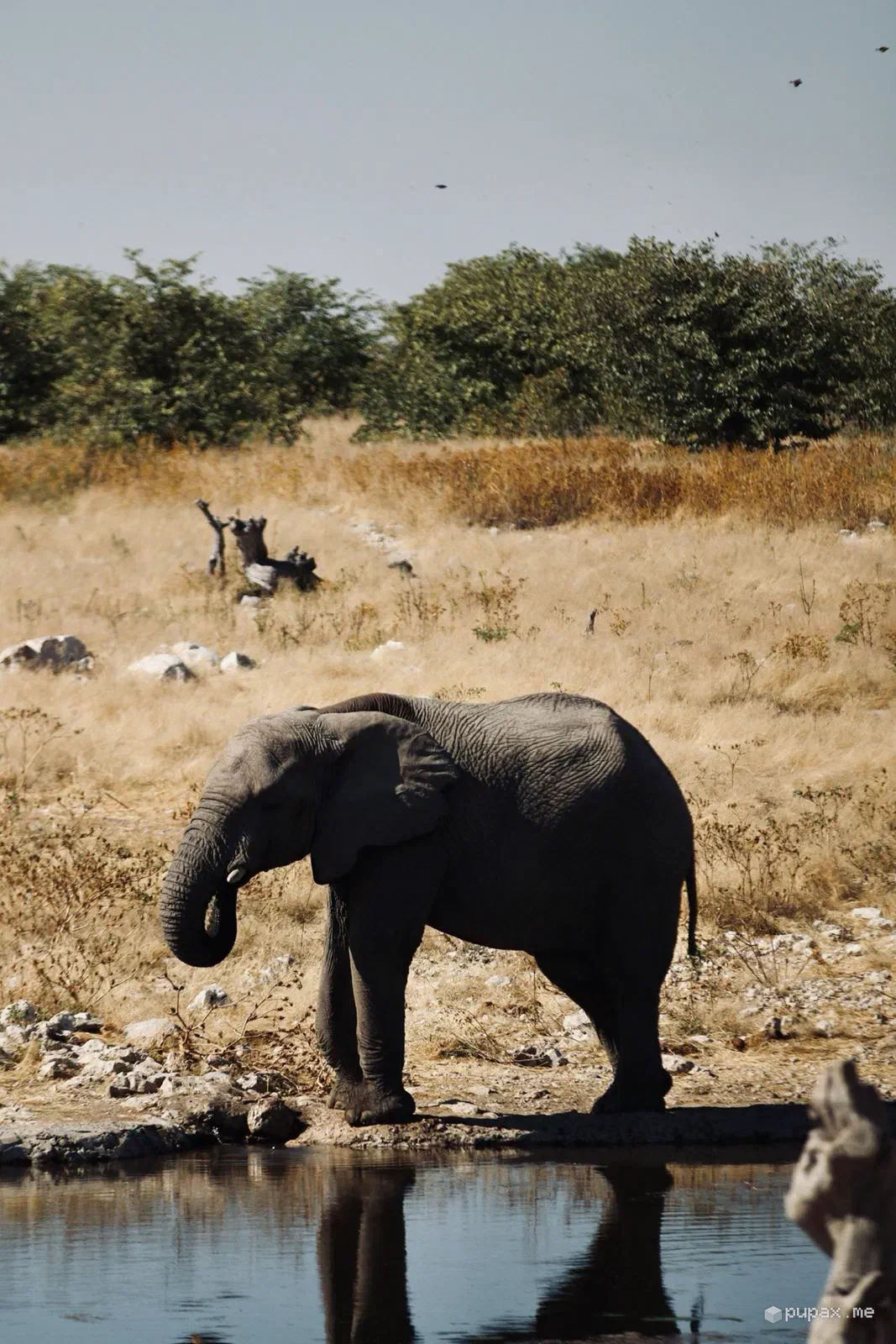
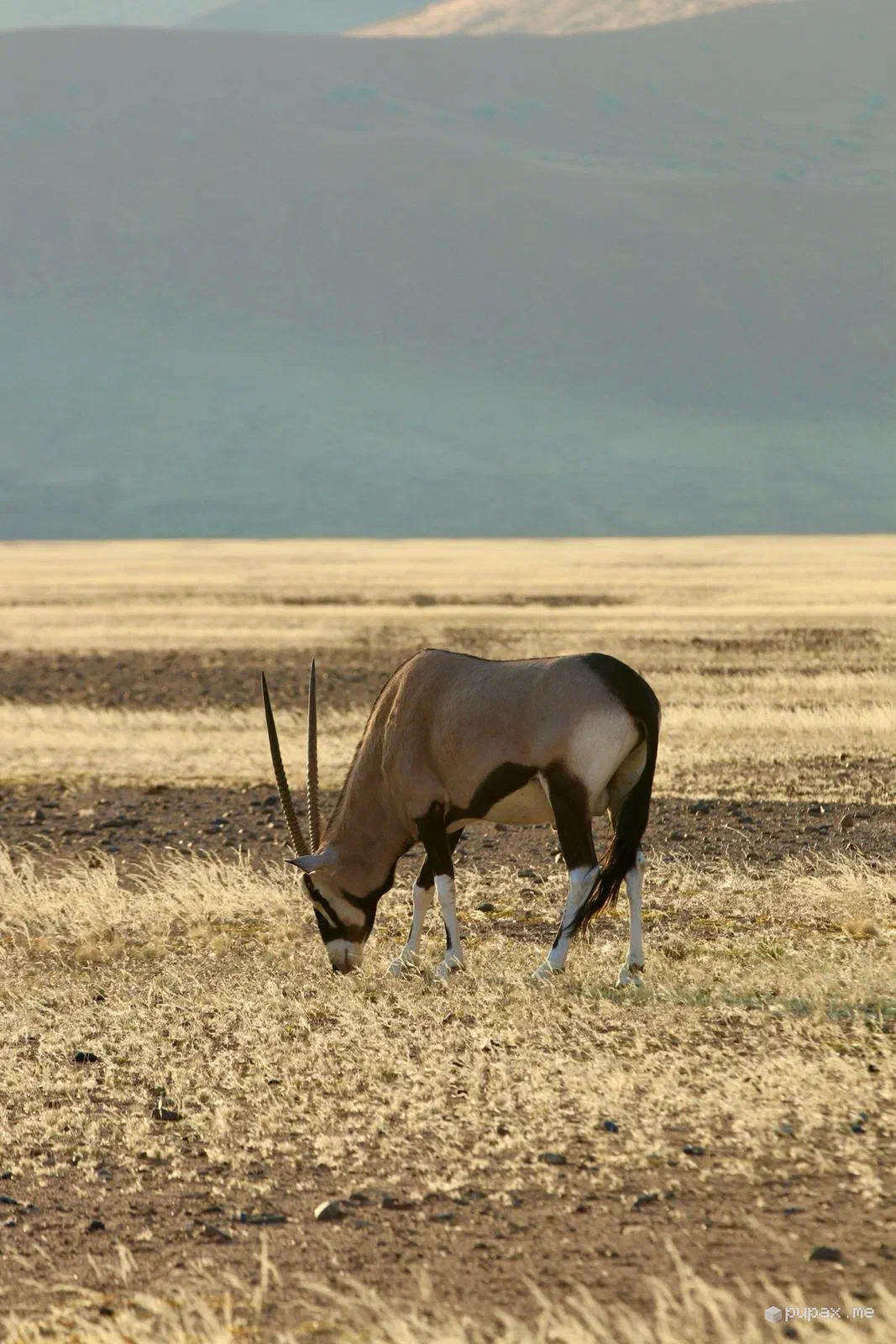
- EtoshaGiraffes, rhinos and a cheetah
- Skeleton CoastA puncture, stuck in the sand, nobody
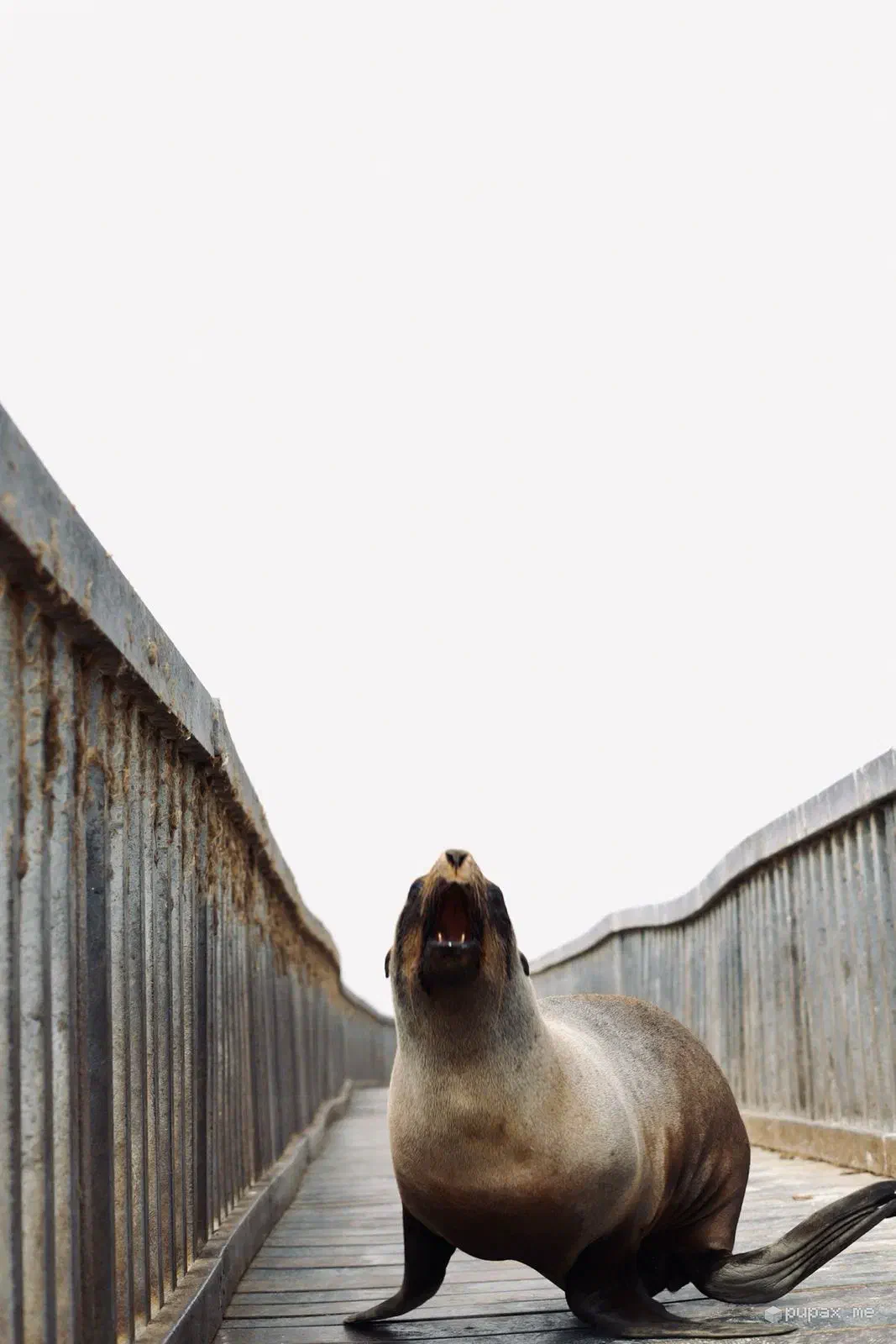
- Cape CrossSeals, less docile than they look
- Sandwich HarbourPassable only at low tide
- Tropic of CapricornA work session under the sign
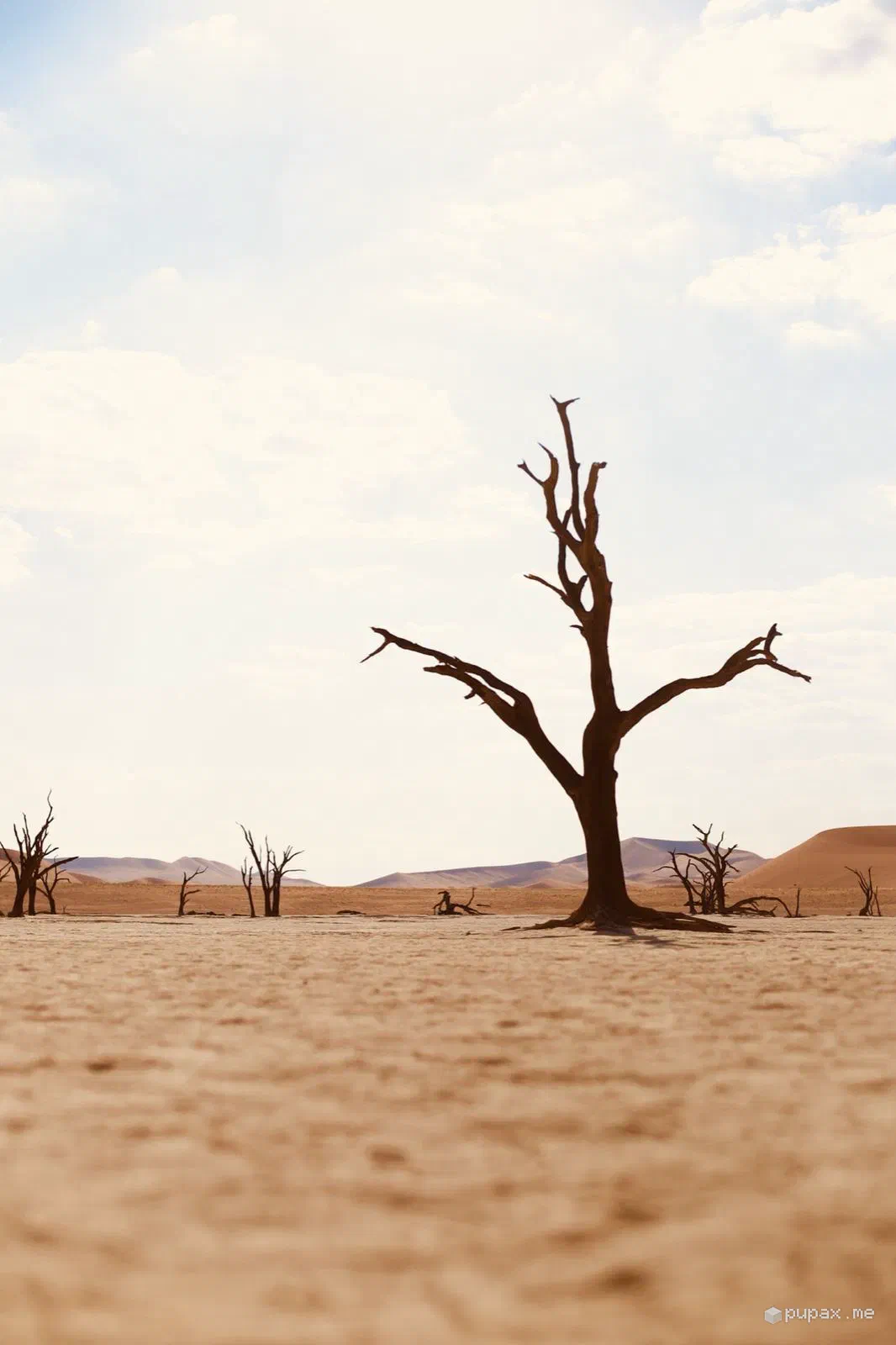
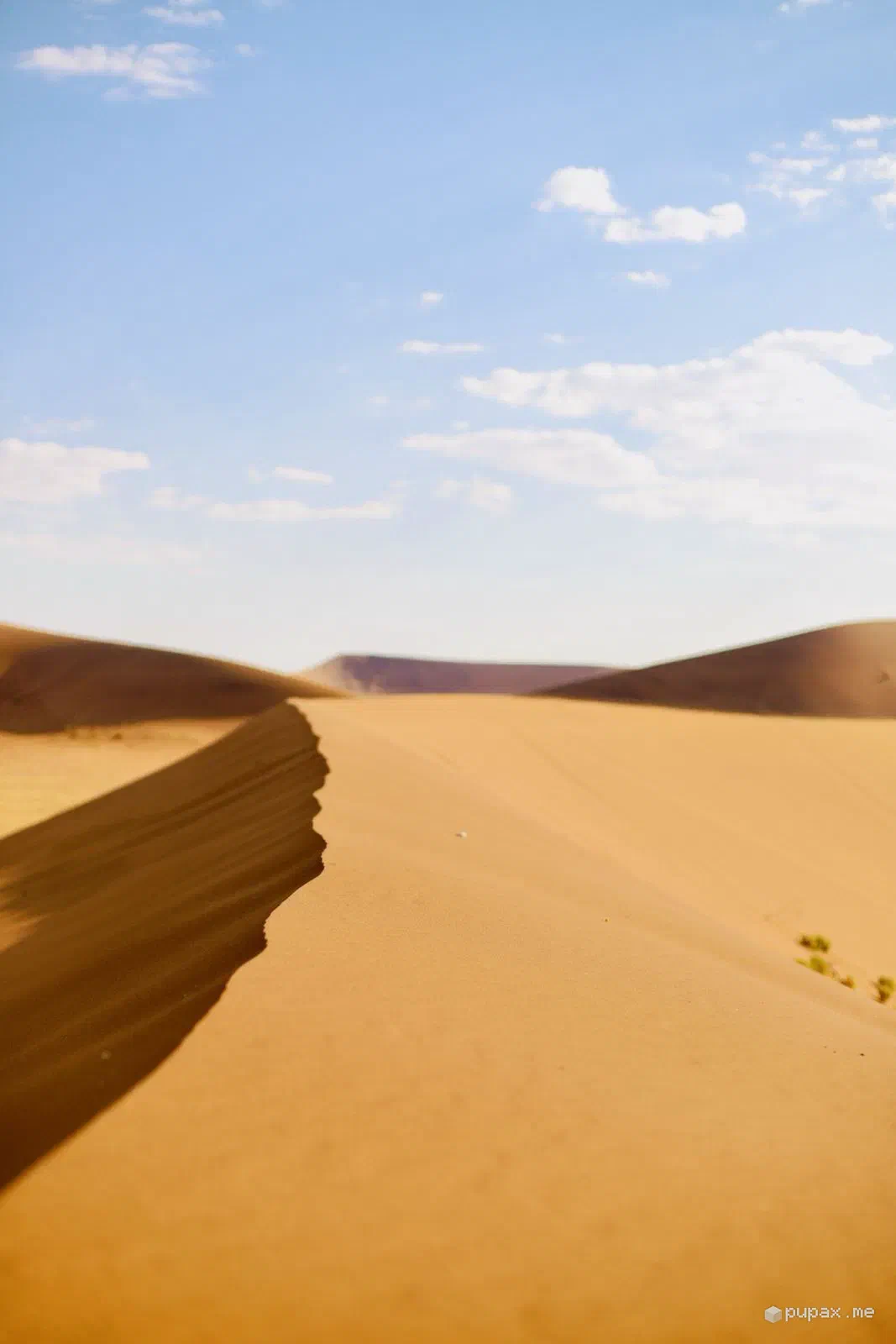
- Sossusvlei and DeadvleiOrange dunes and dead acacias, at 38°C
- AusSomething they call pizza
- Lüderitz
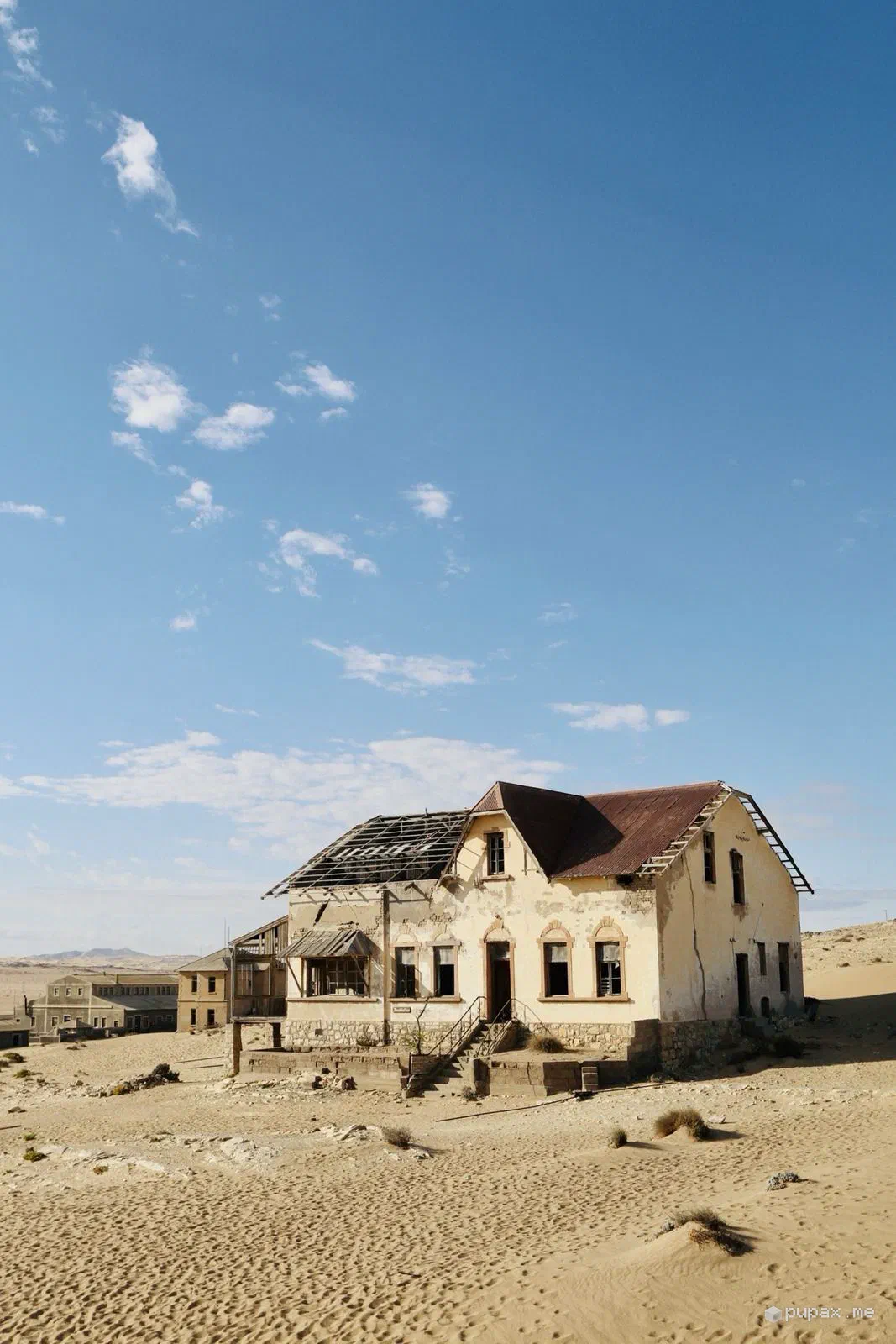
- KolmanskopThe ghost town full of sand
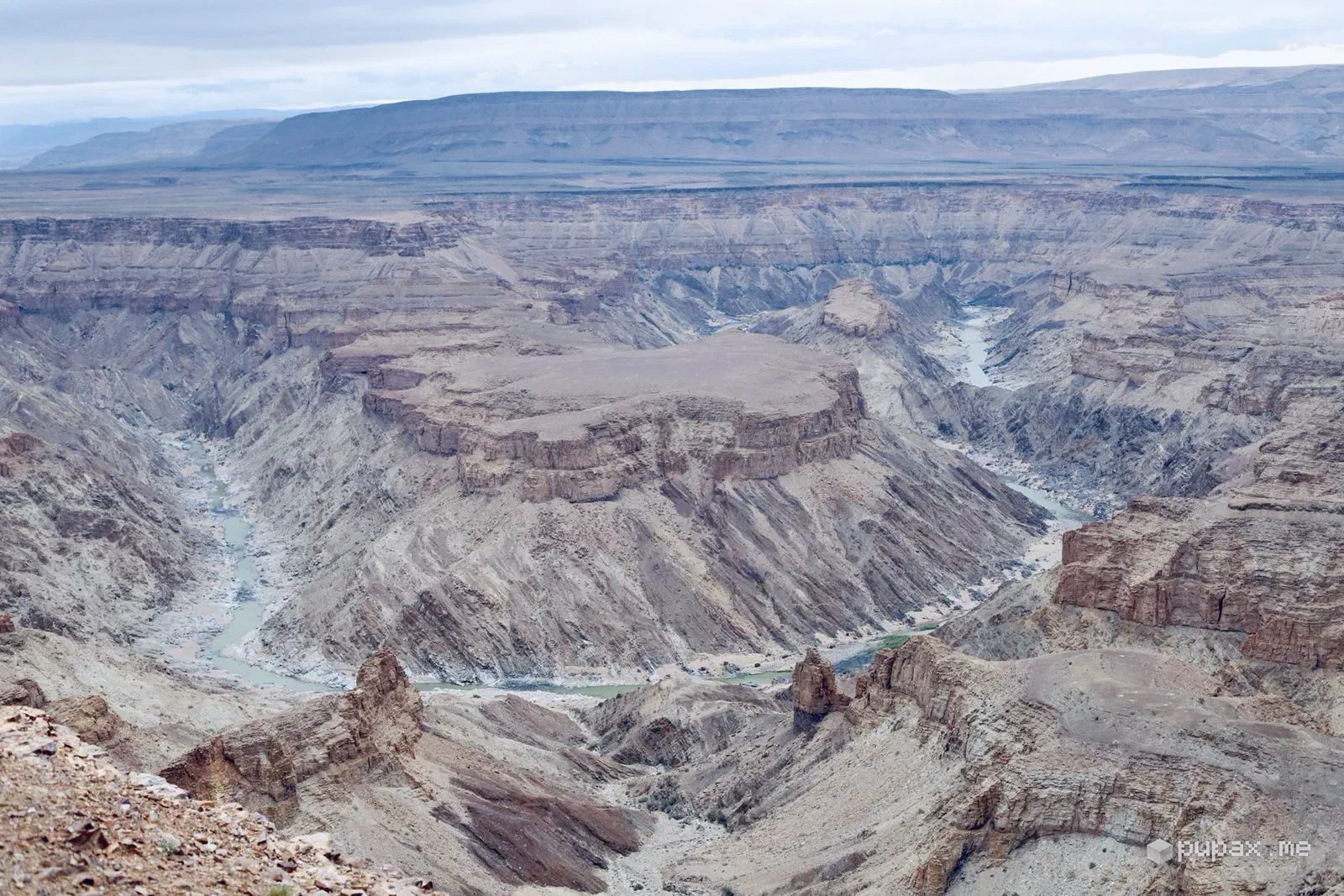
- Fish River Canyon
- WindhoekHeroes' Acre, before the flight
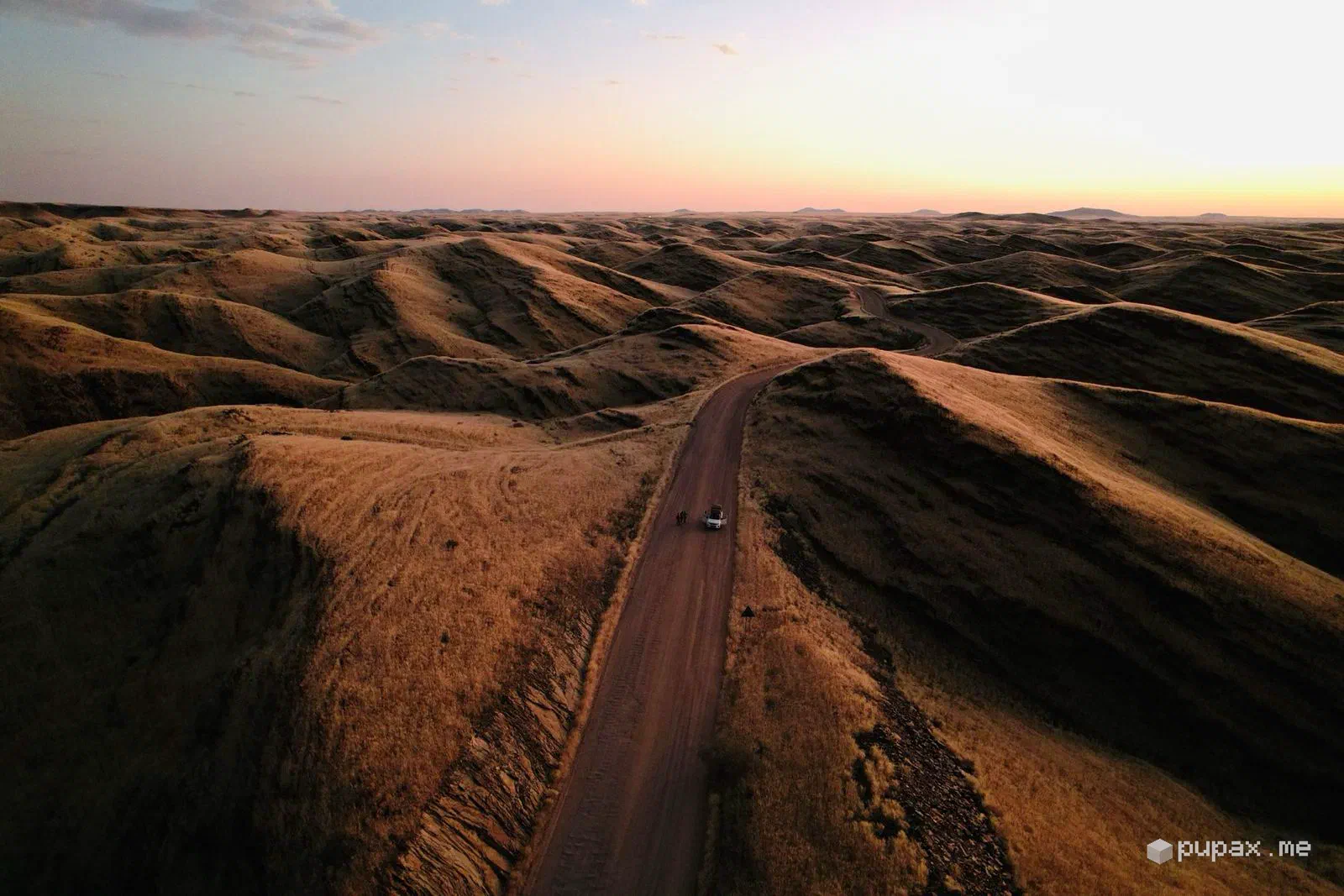
Namibia is one of the most demanding trips I’ve ever done. May 2022: Francesco Lietti, Federico Giordi and me, a Toyota Hilux 4x4 with two tents on the roof and a big loop starting and ending in Windhoek. I wrote the final tally in my last story: 4,213 km, 3 punctures, stuck in the sand once, 7 nights in a tent.
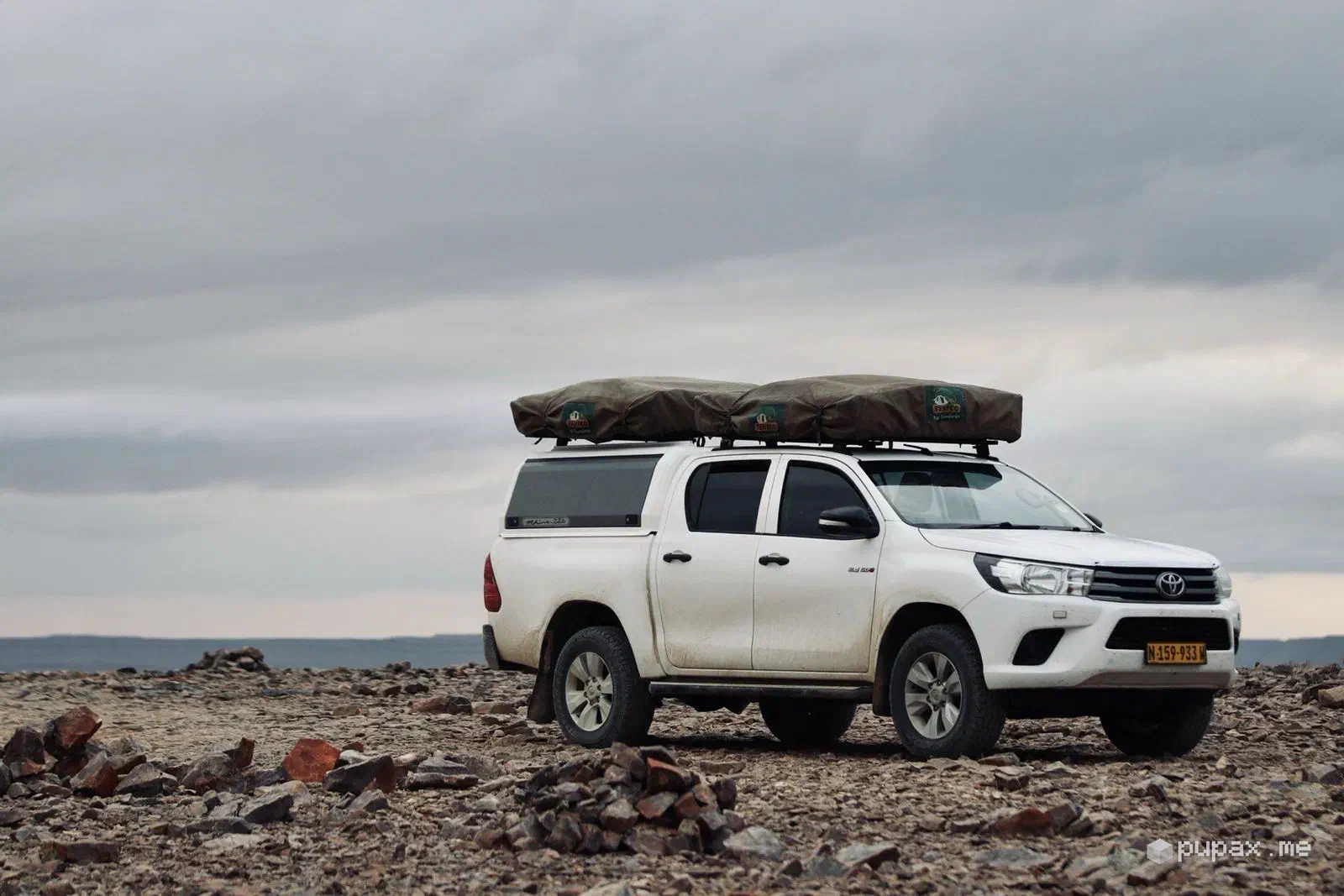
Even the outbound journey was an adventure: an Ethiopian flight with a stopover in Ethiopia, a croissant at three in the morning and lunch at eleven, just to add the jet lag we were missing. On the first evening, a giant skewer of crocodile, antelope and zebra. Apologies to the animal lovers.
The police and the first dirt roads
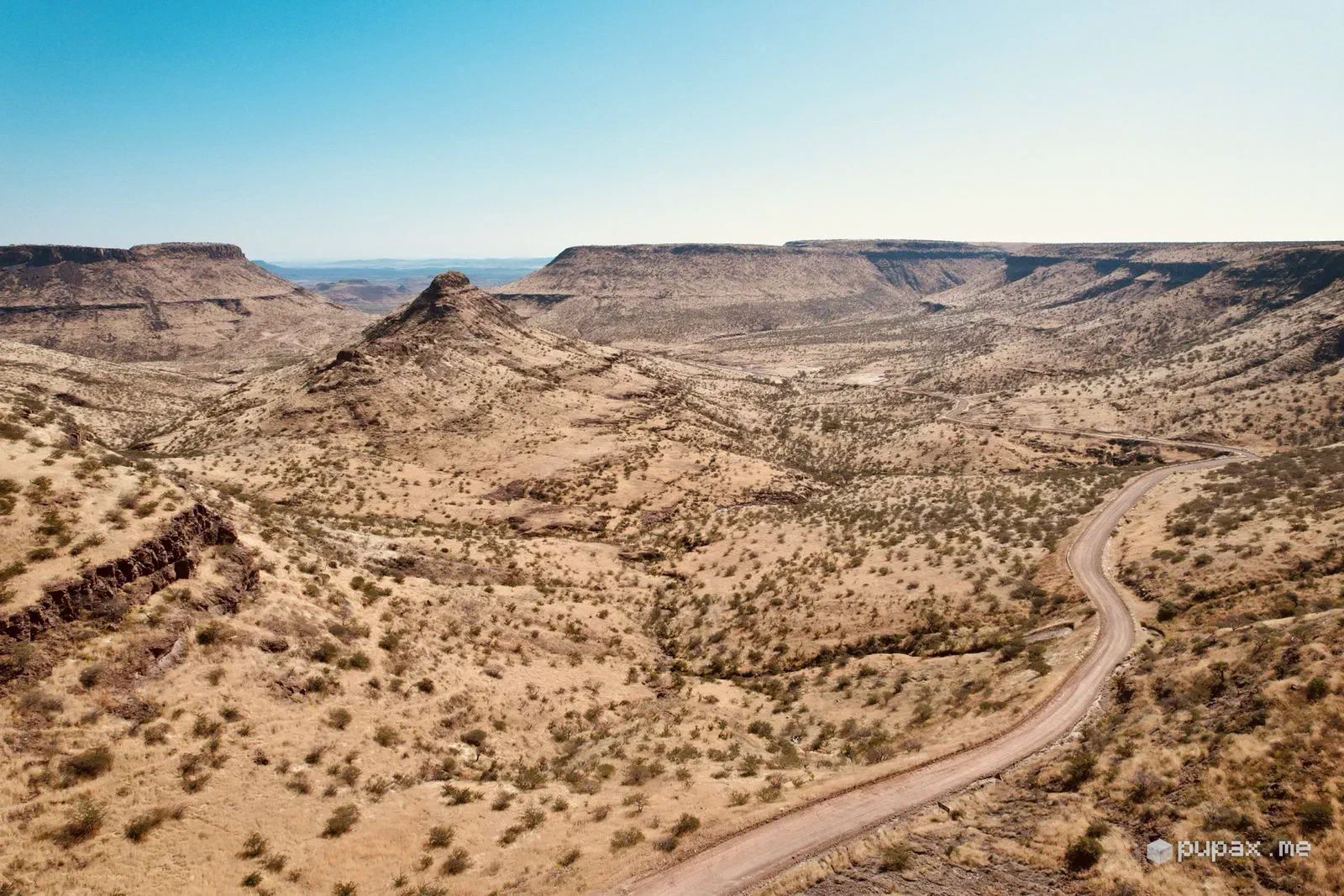
On the dirt roads heading north I got a bit heavy with the accelerator. There was a speed limit, and there were police too: we noticed them from the blue lights in the mirror as they chased us. As I wrote in my stories, it was obviously my fault. In the end we settled it like this: 80 euros and an Italian pasta sauce.
Etosha and a night among the animals
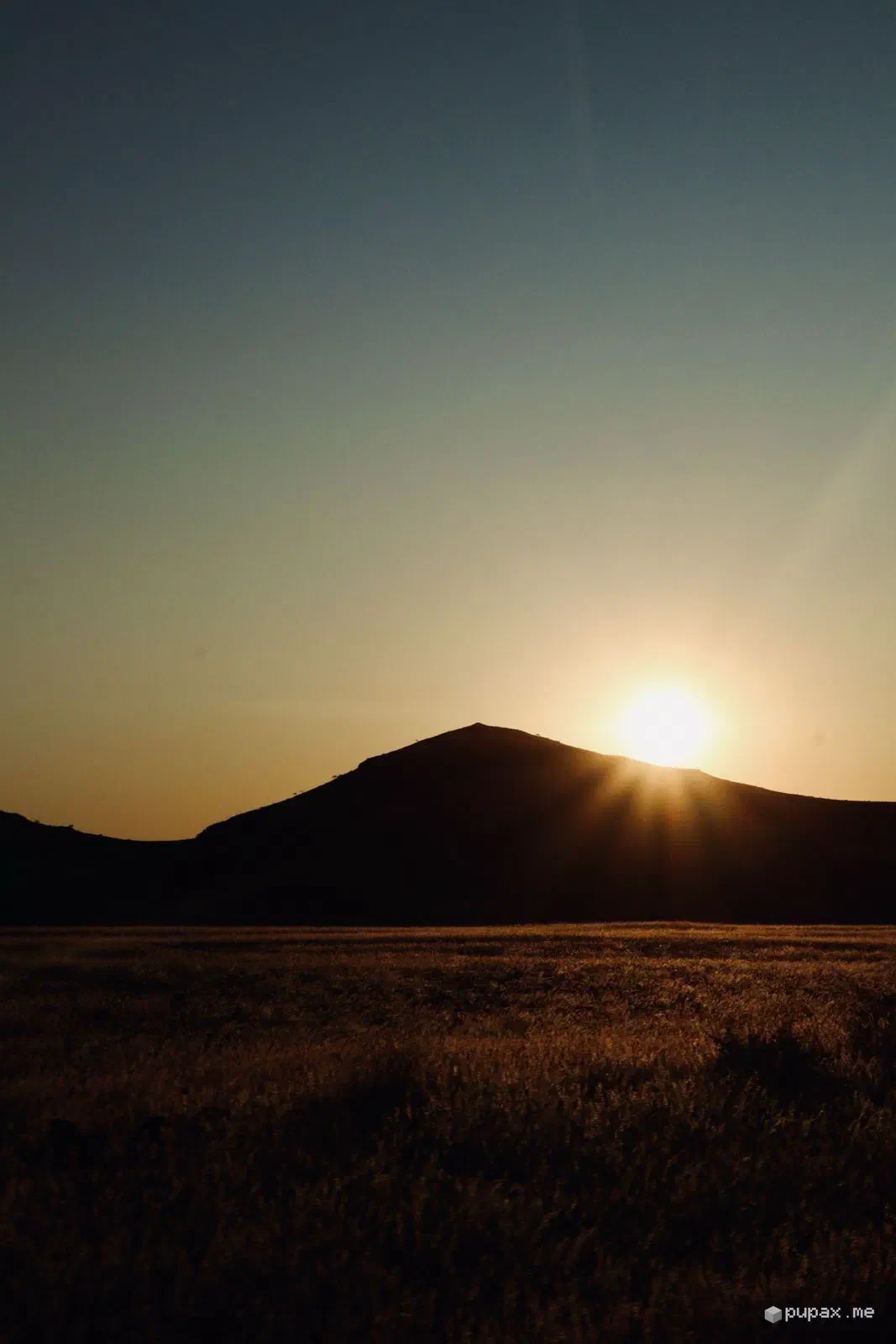
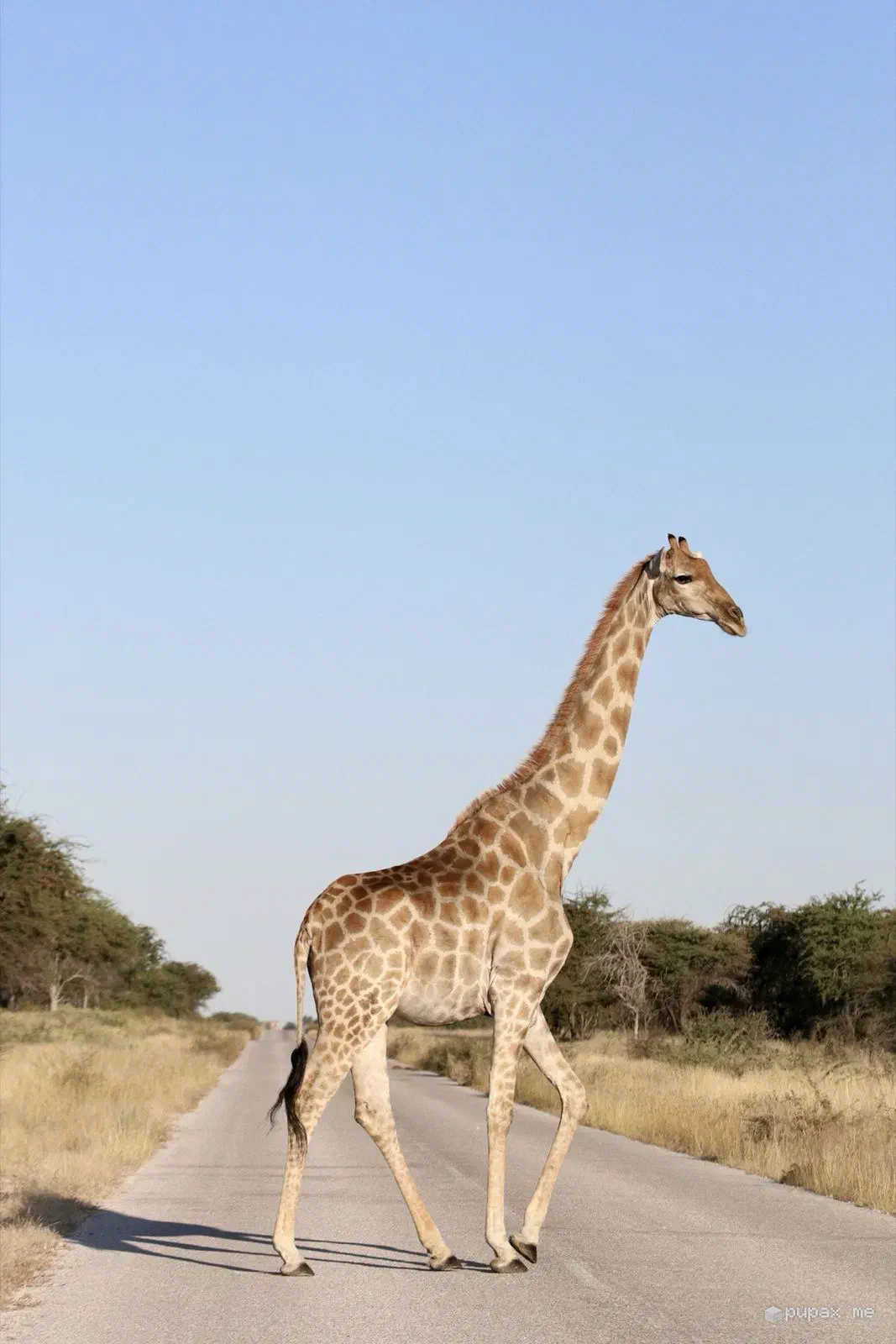
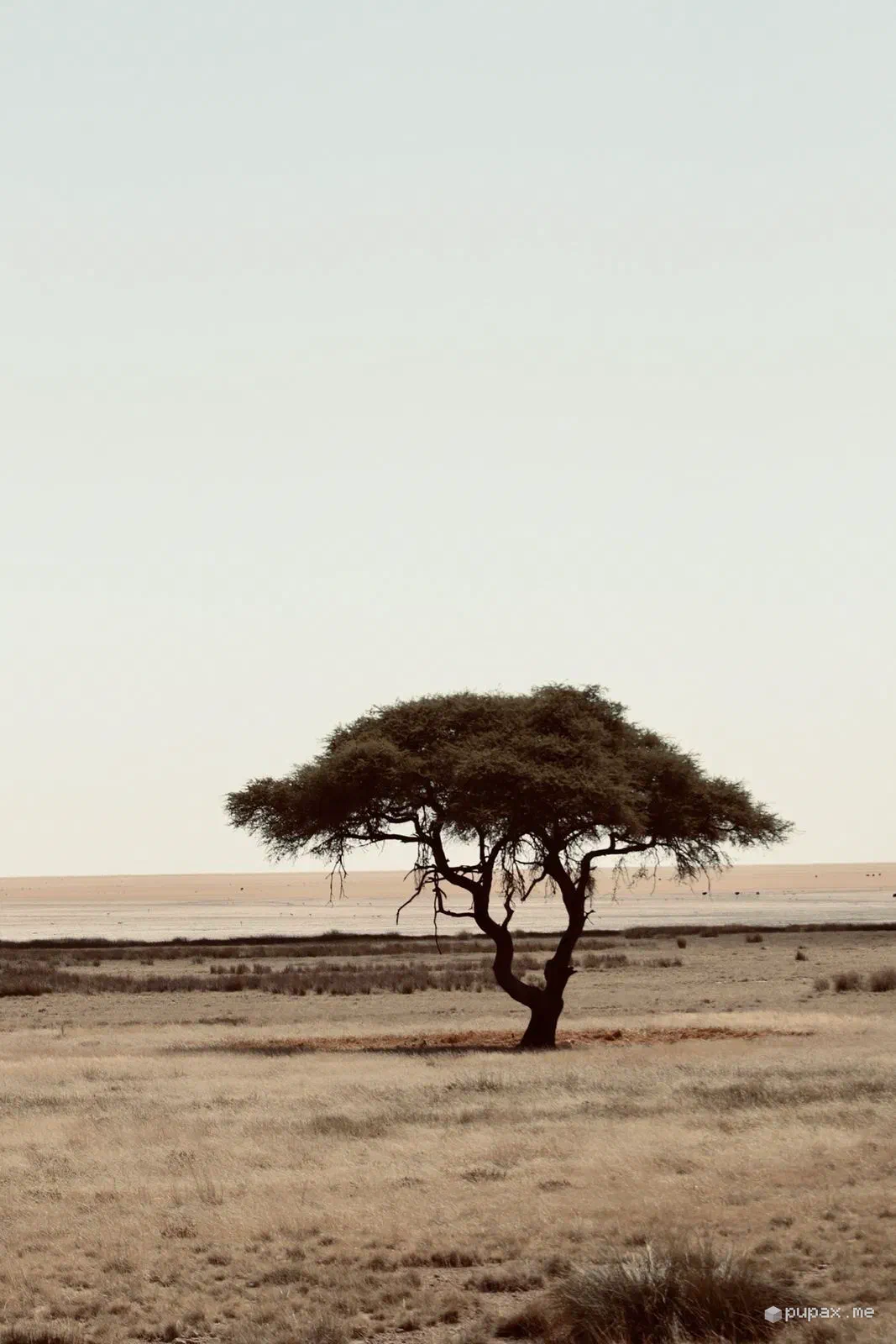
In Etosha the animals come to you: giraffes crossing the road with real style, a rhino lying down, zebras everywhere, a cheetah walking through the grass a few metres from us. And the lone acacias on the plain, which I fell in love with.
One evening some locals warned us that elephants, rhinos and lions roamed that area. It seemed like the perfect place to pitch the tents.
The Skeleton Coast
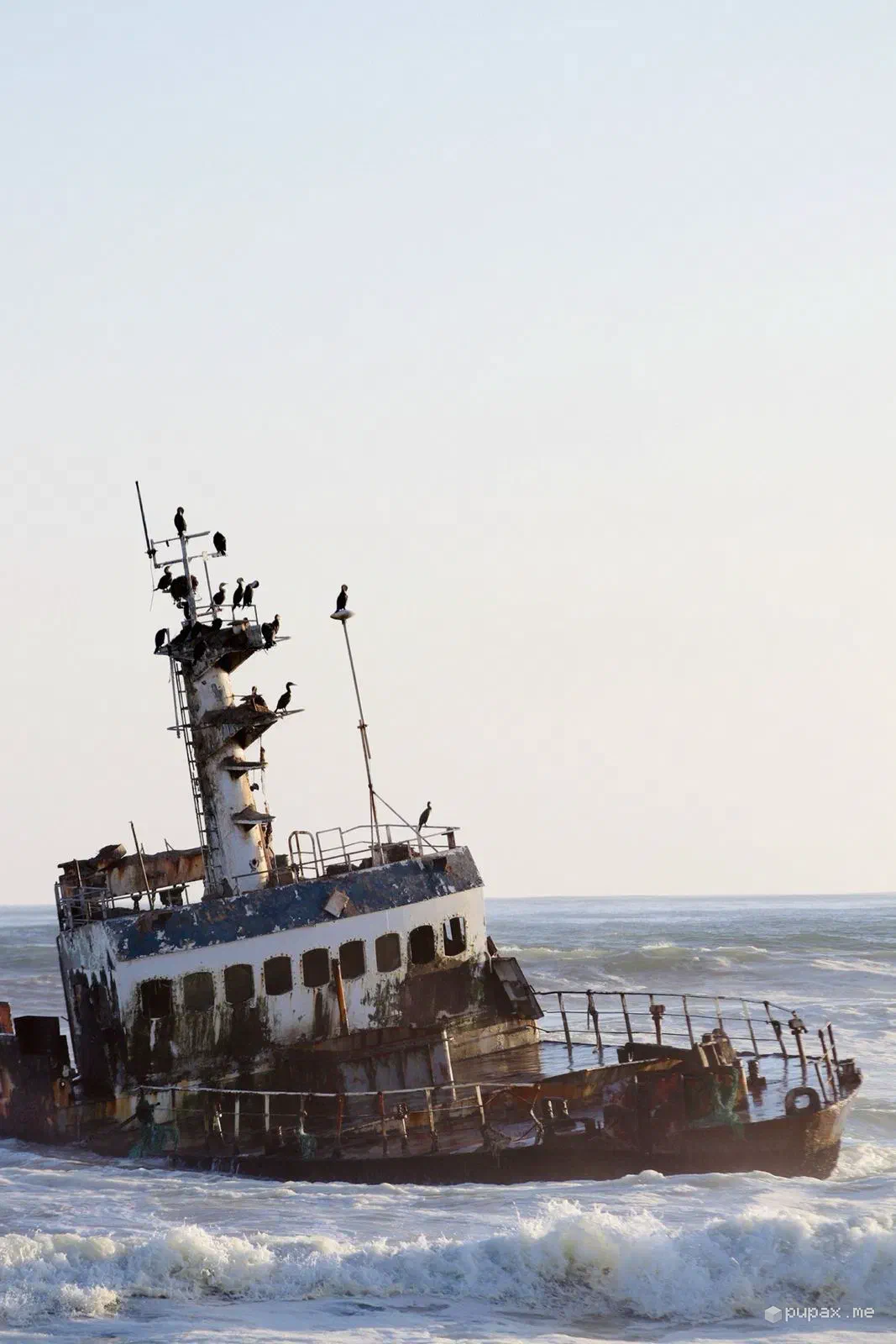
Day five started like this: in the middle of nowhere, in the fog, with another flat tyre. The Skeleton Coast is the point of the trip where I asked myself whose idea this was. Sand, fog, shipwrecks on the beach and above all nobody: nobody really comes by. Then, to better understand where the name comes from, we got stuck in the sand as well. A passing jeep helped us out, and given the area, that was lucky. Our punctures, on the other hand, were fixed by people we met along the road.
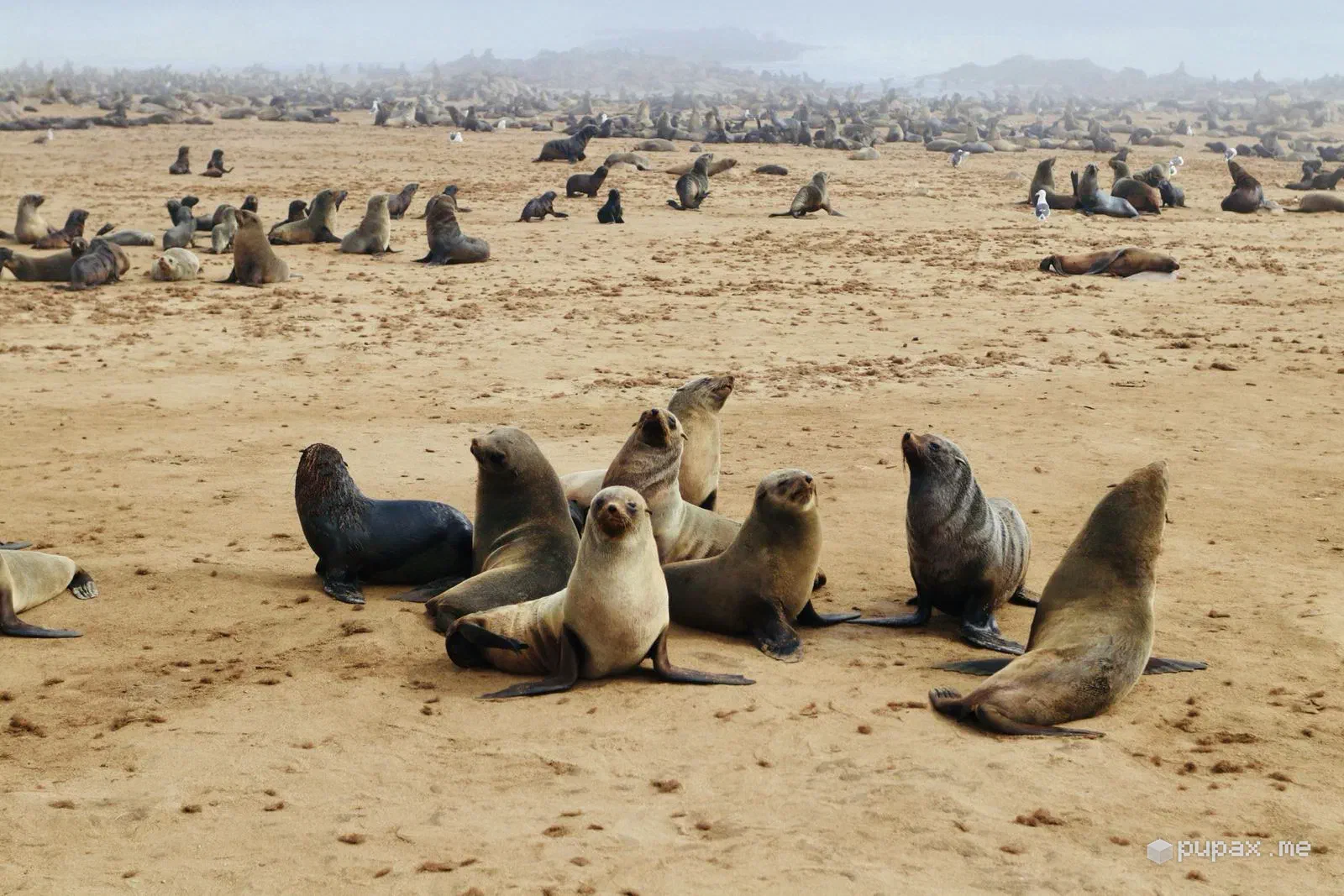
At Cape Cross there’s a huge colony of fur seals. They look docile. Don’t be fooled.
Sandwich Harbour and the desert
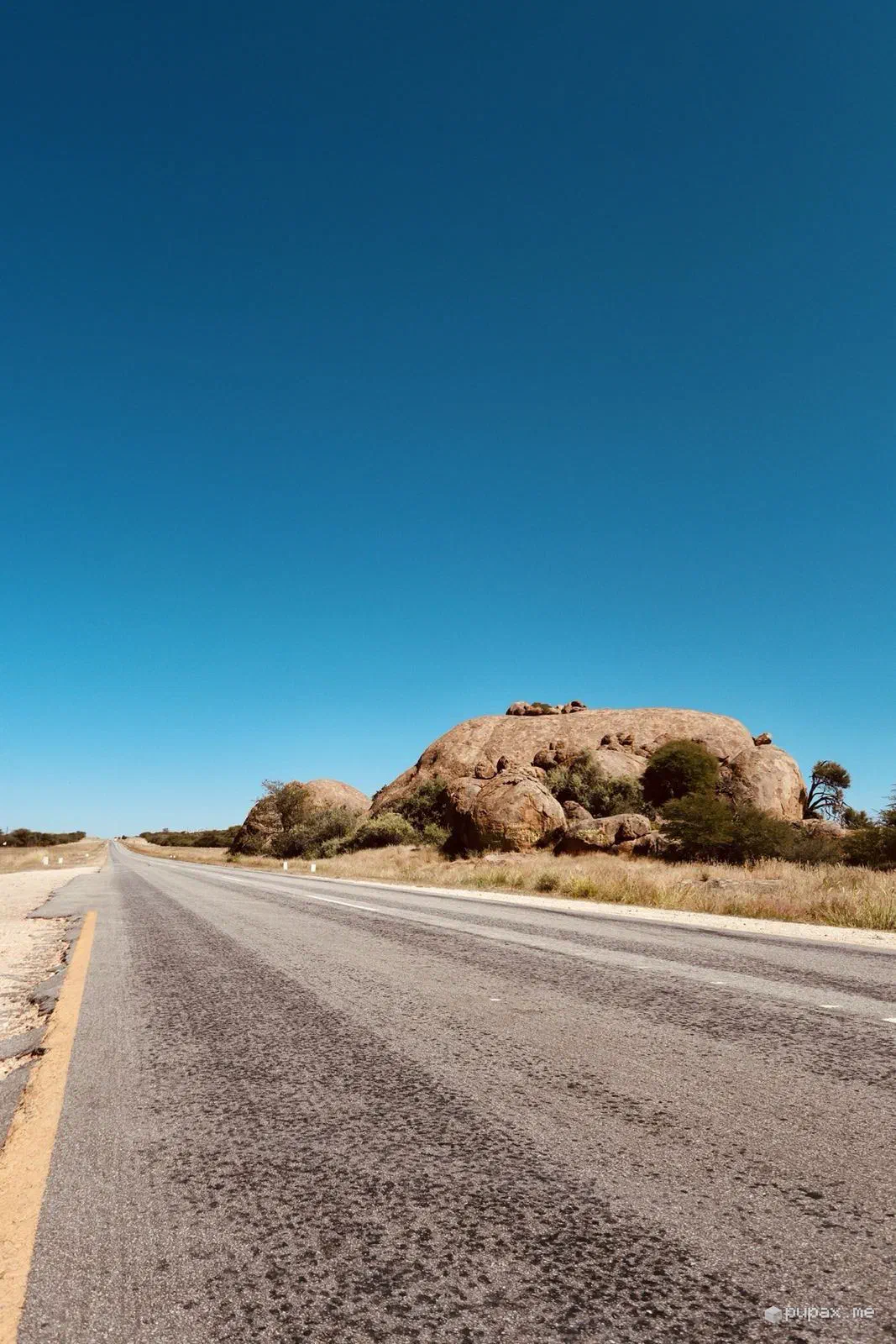
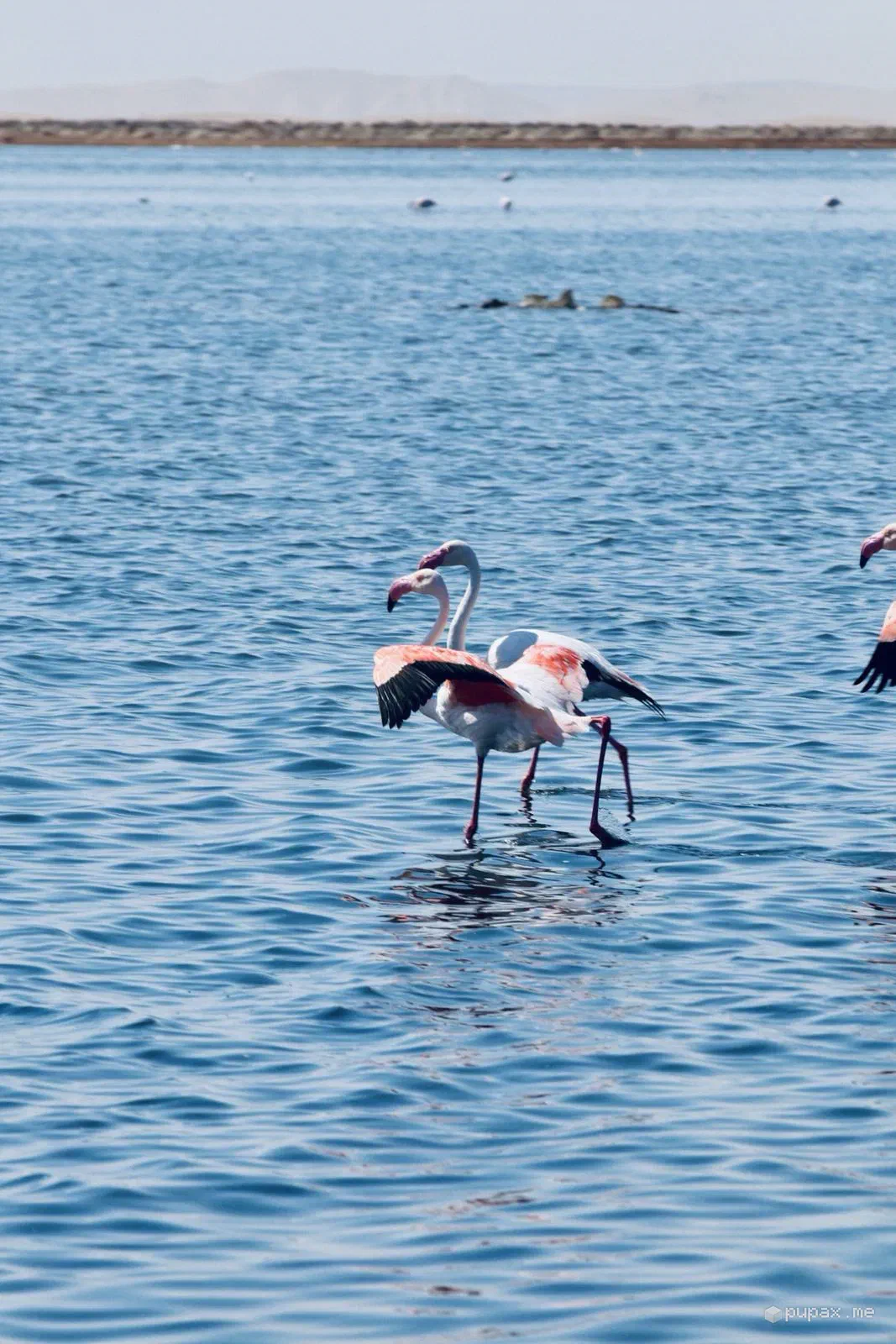
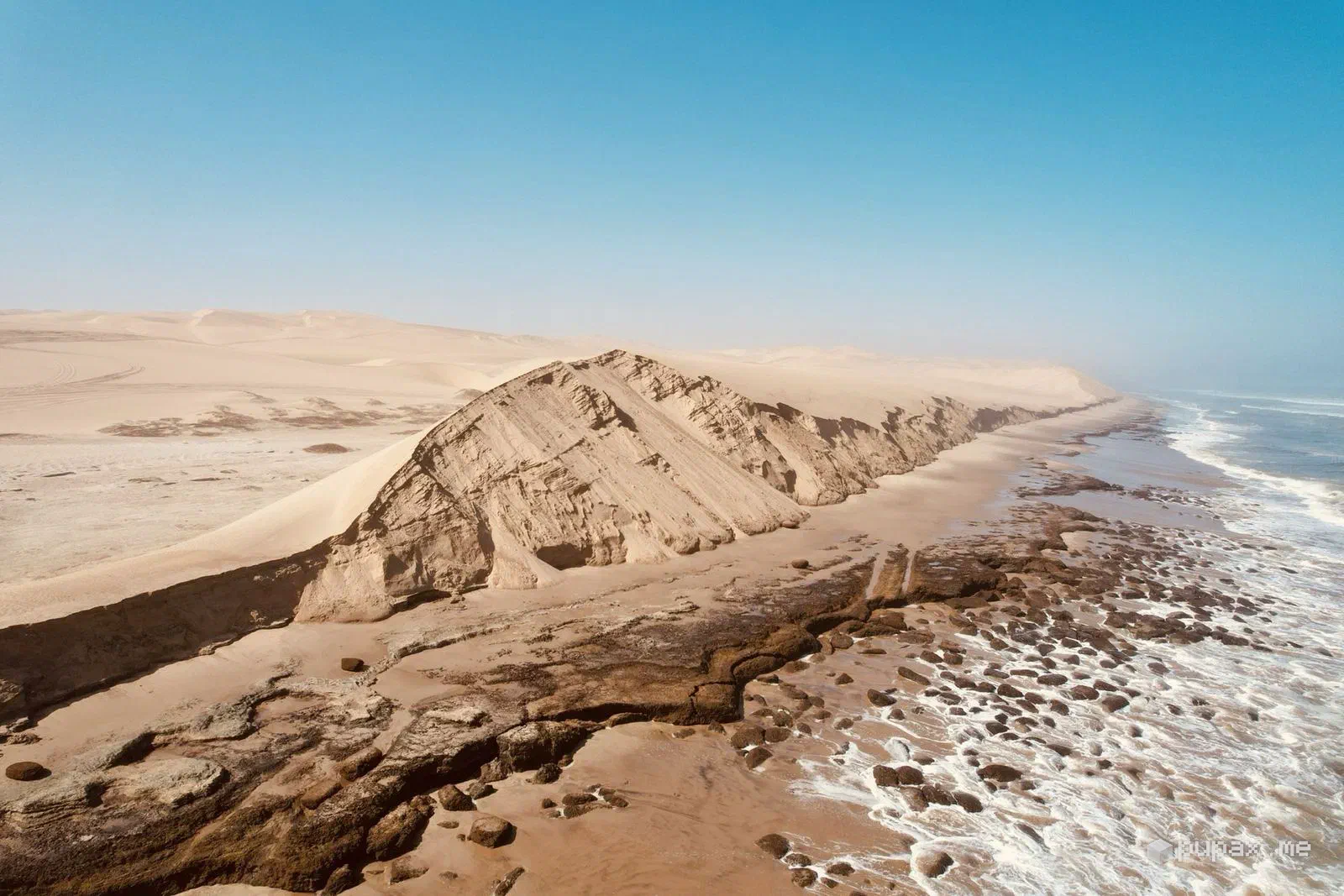
At Sandwich Harbour you drive along the shoreline, squeezed between the ocean and the dunes, and at first it feels like a motorway. It isn’t: that “road” can only be driven at low tide. We treated it like kids treat puddles. Then flamingos, over 100 km without passing a single vehicle, the Tropic of Capricorn sign (where I did a bit of work, laptop on a camping chair), and Sossusvlei and Deadvlei at 38 degrees, with the dead acacias standing on the white clay floor.
The south
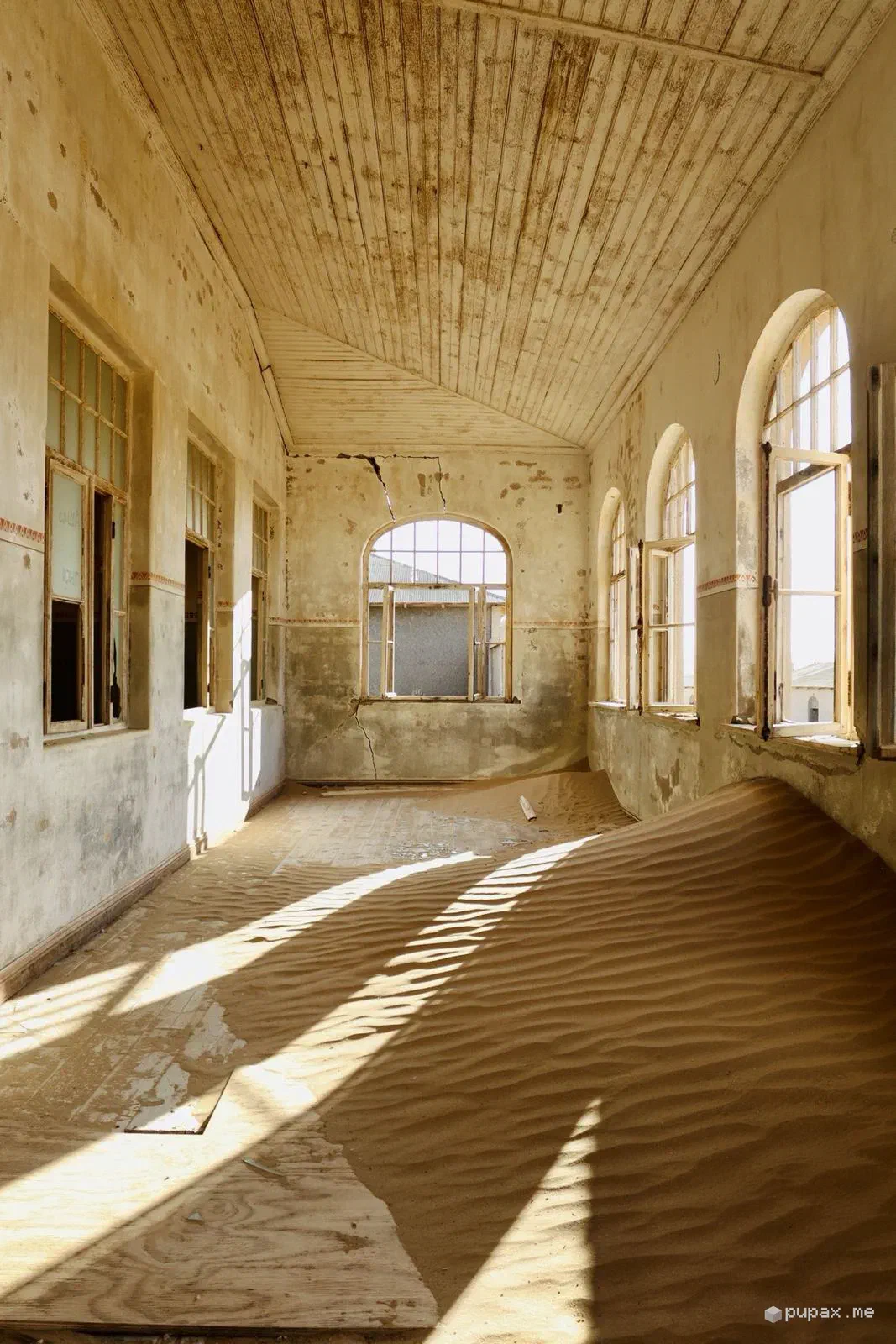
The south was mostly kilometres: 300 km straight towards the mountains, something they call pizza in Aus, Lüderitz at sunset after nearly driving off a cliff. Then Kolmanskop, an abandoned town in the desert with sand pouring in through the windows, and the Fish River Canyon. On the last morning we were back in Windhoek, at Heroes’ Acre, before heading home.
Practical notes
- A satellite phone is the first thing I’d pack: on some stretches, if something goes wrong, there’s nobody to ask for help.
- Sandwich Harbour can only be done at low tide.
- Expect punctures: we had three, and without the people we met along the road it would have been tough.
- Speed limits apply even when the road is empty, and so do the police.