
Travel log
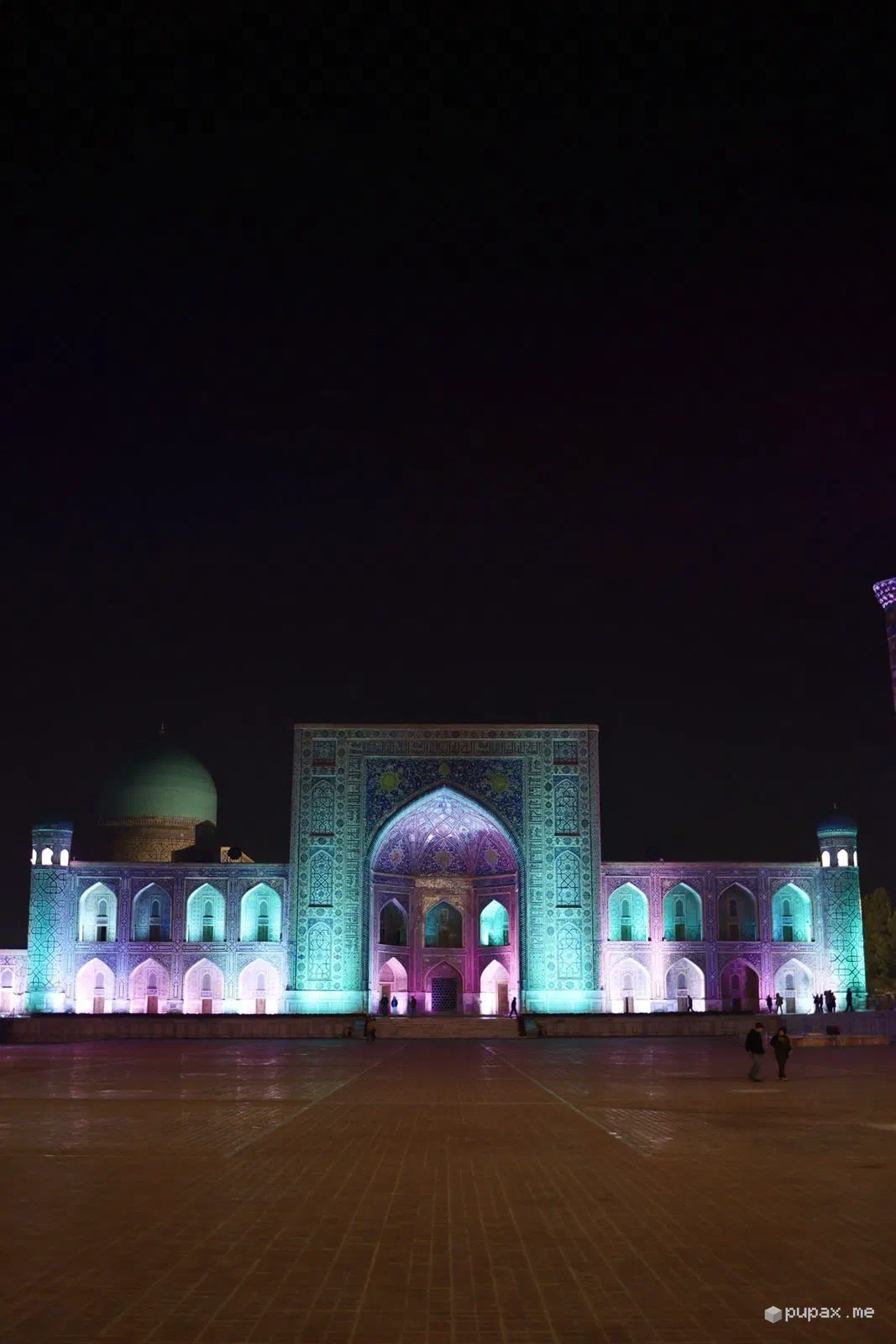
- SamarkandThe Registan lit up, tiles everywhere
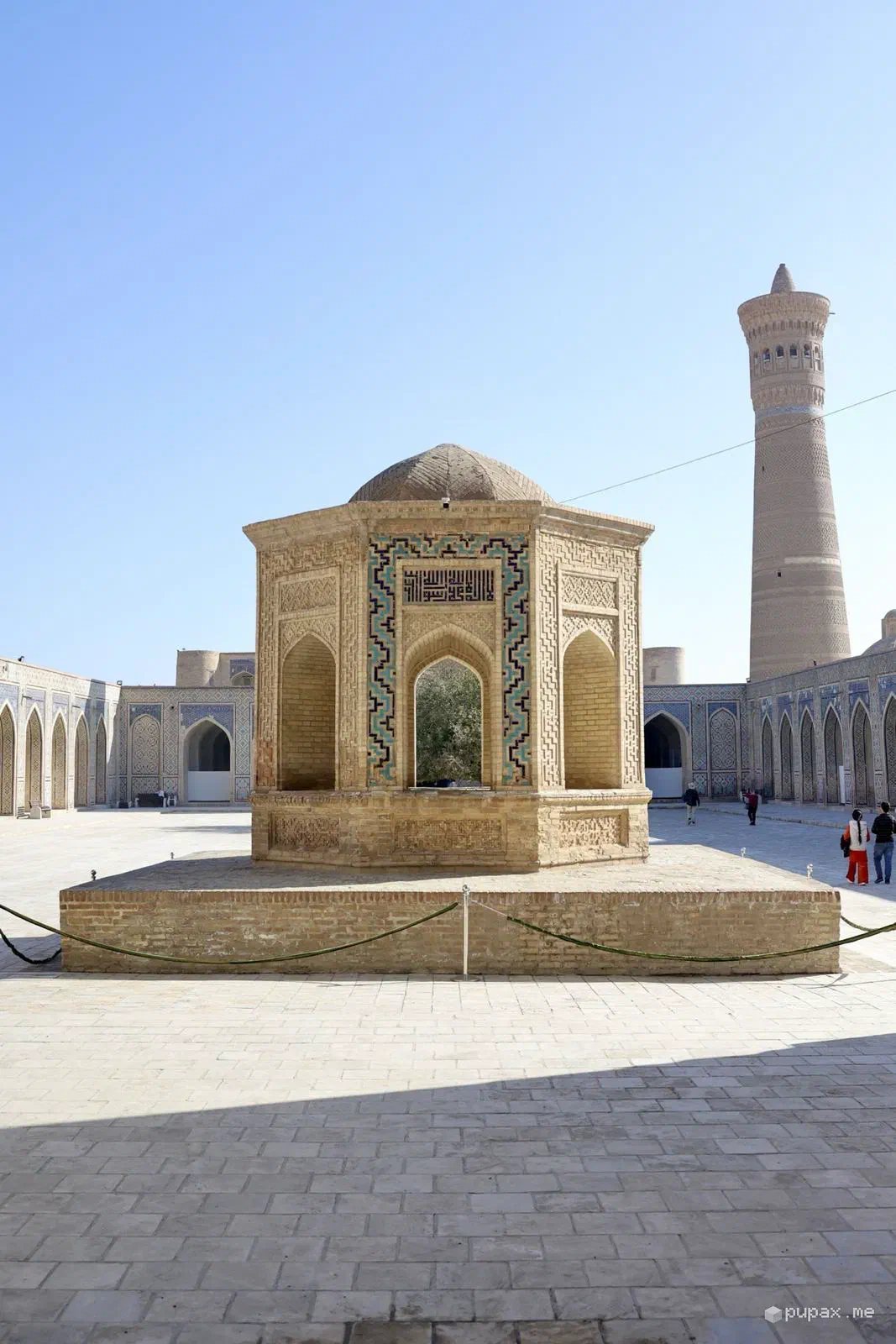
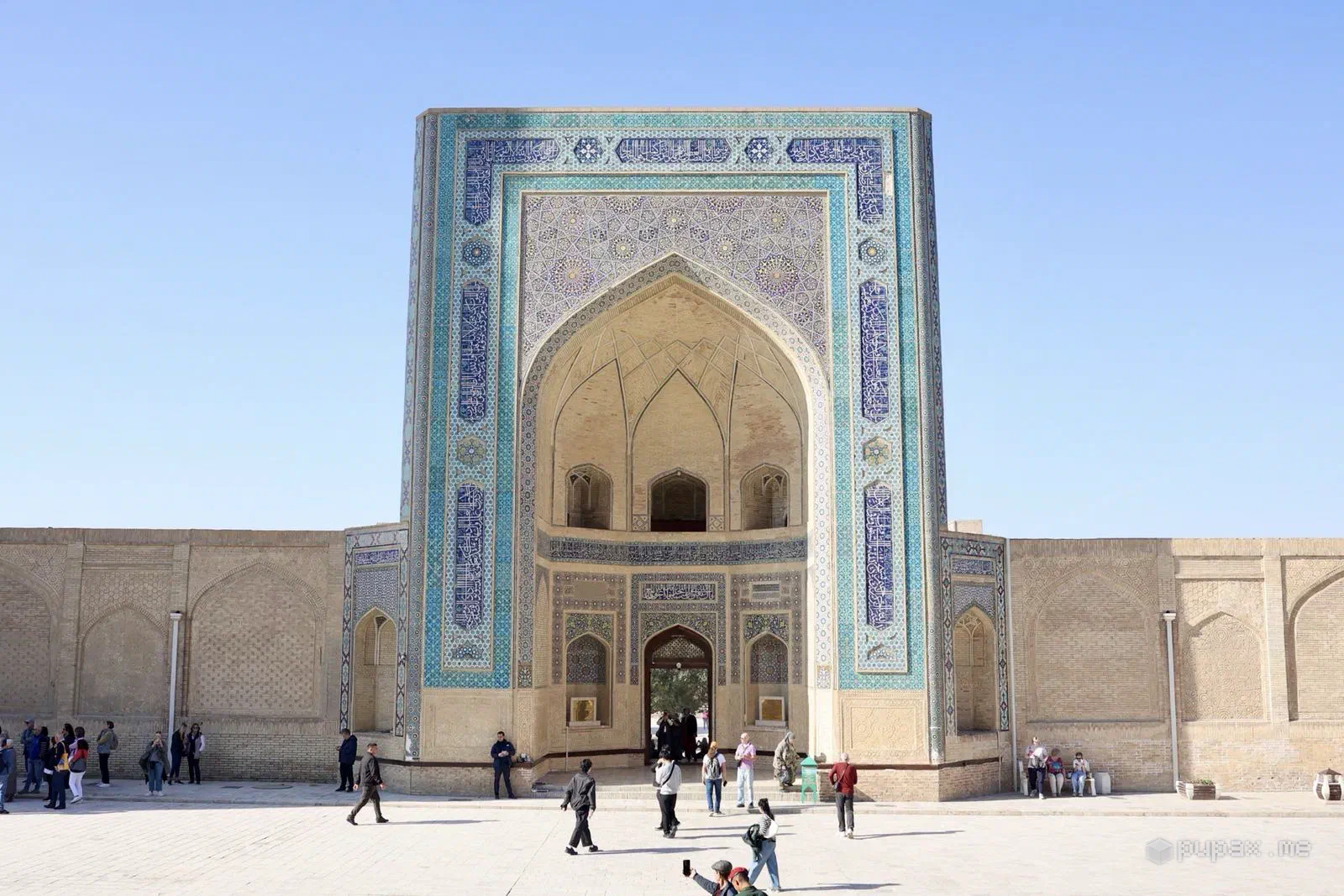
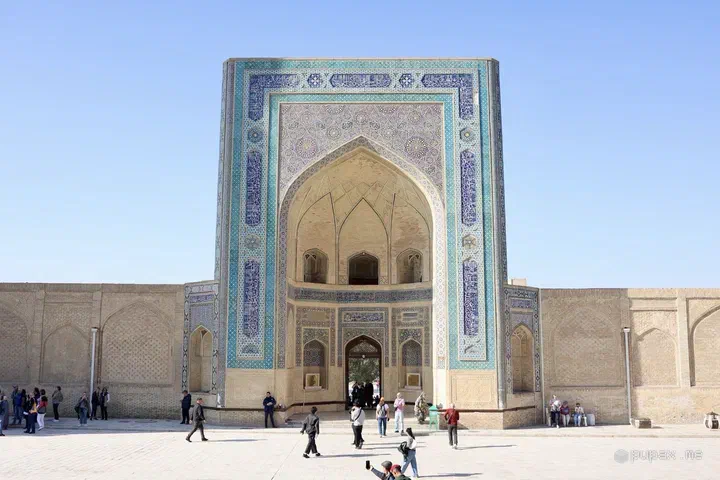
- Bukhara
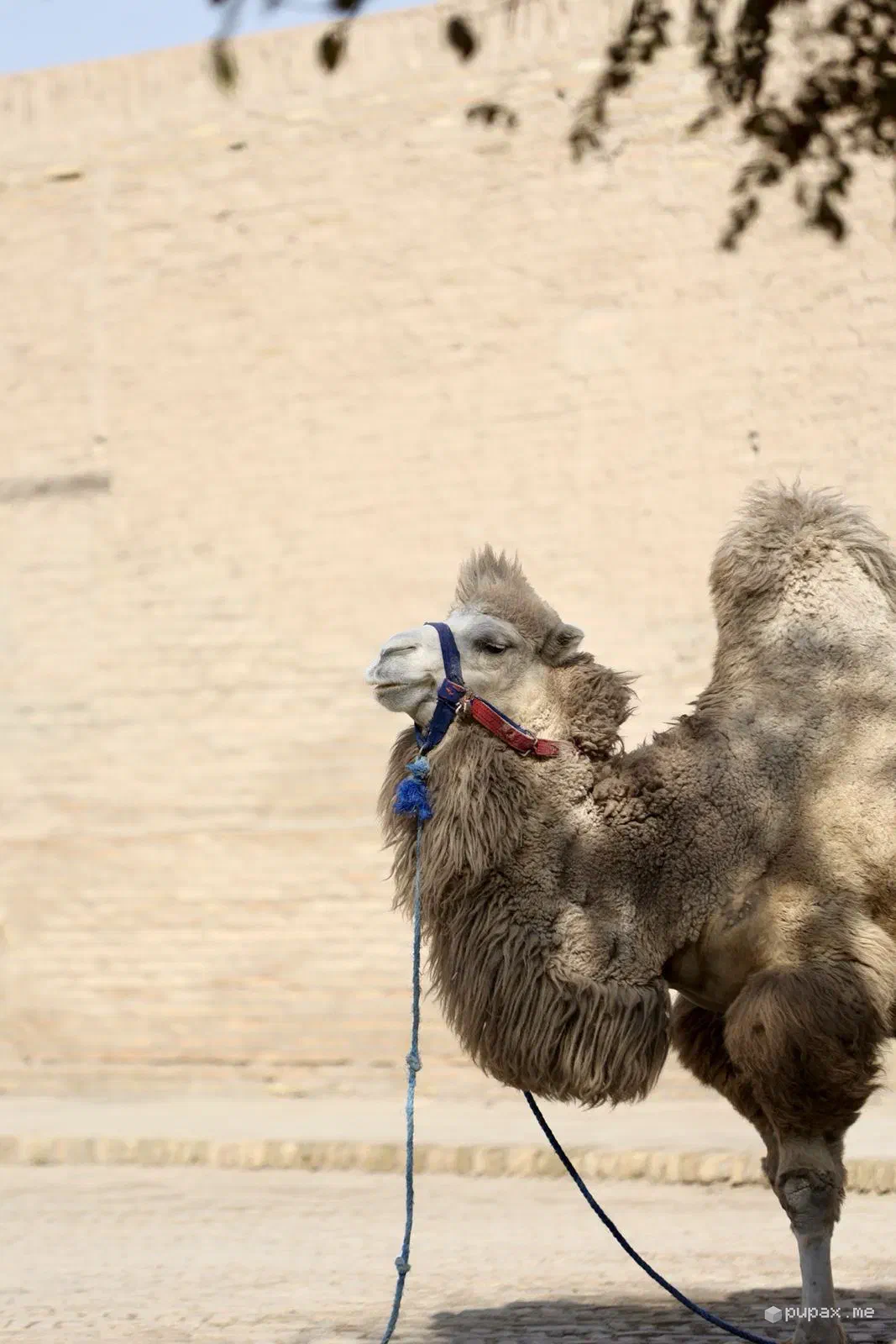
- KhivaThe walls by night, chess by day
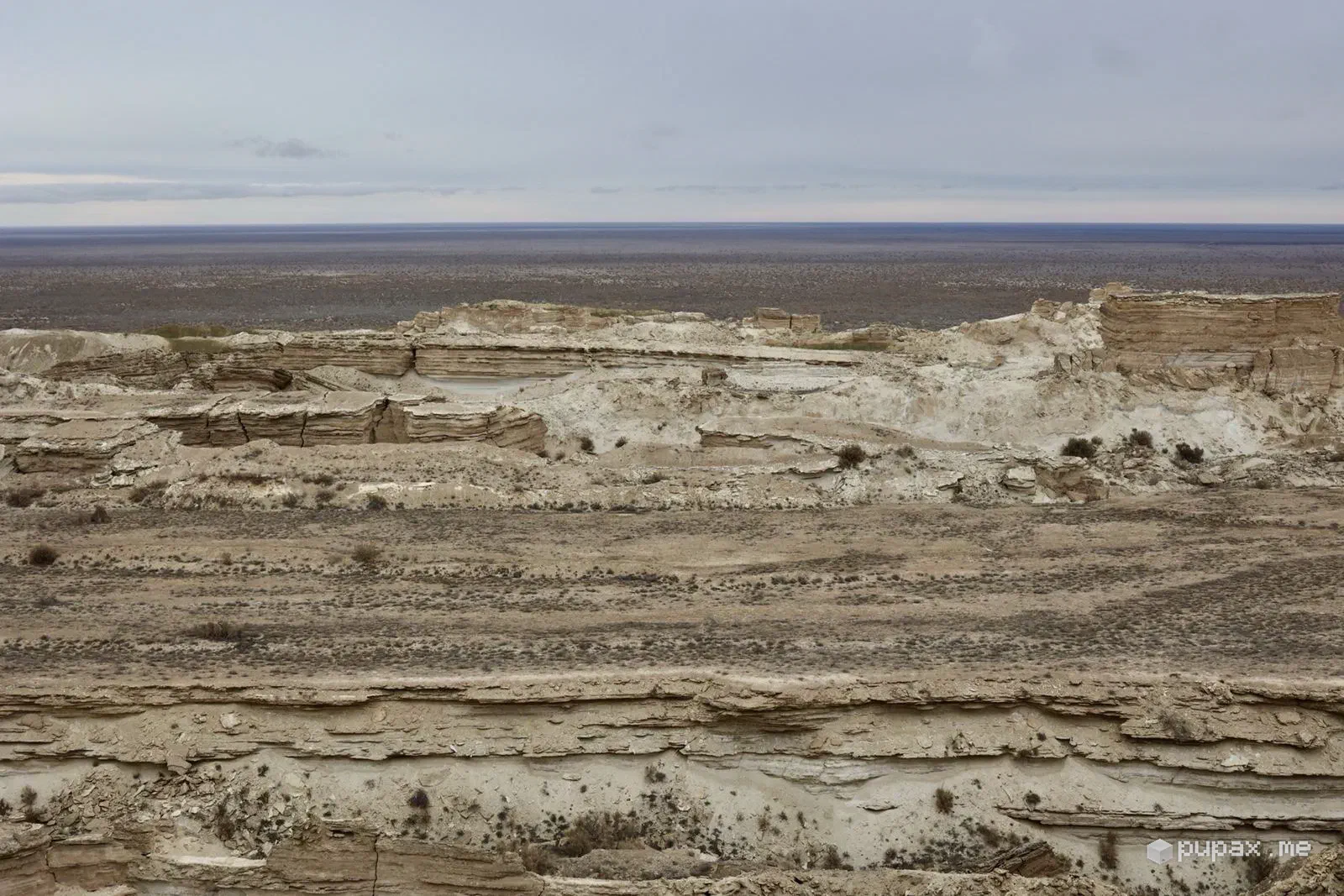
- MoynaqShips in the sand, then the Aral Sea
- BukharaAgain, after hours of desert
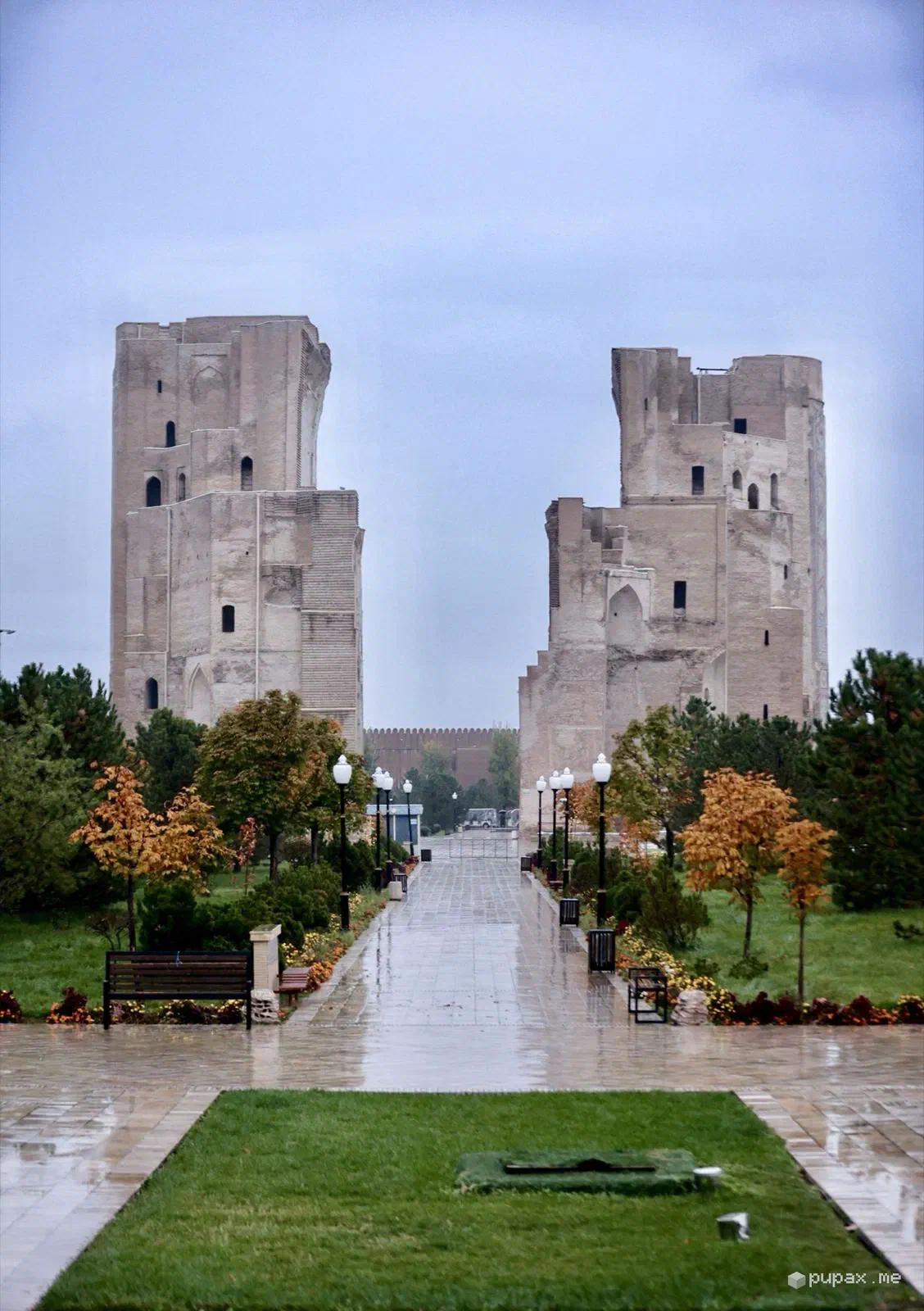
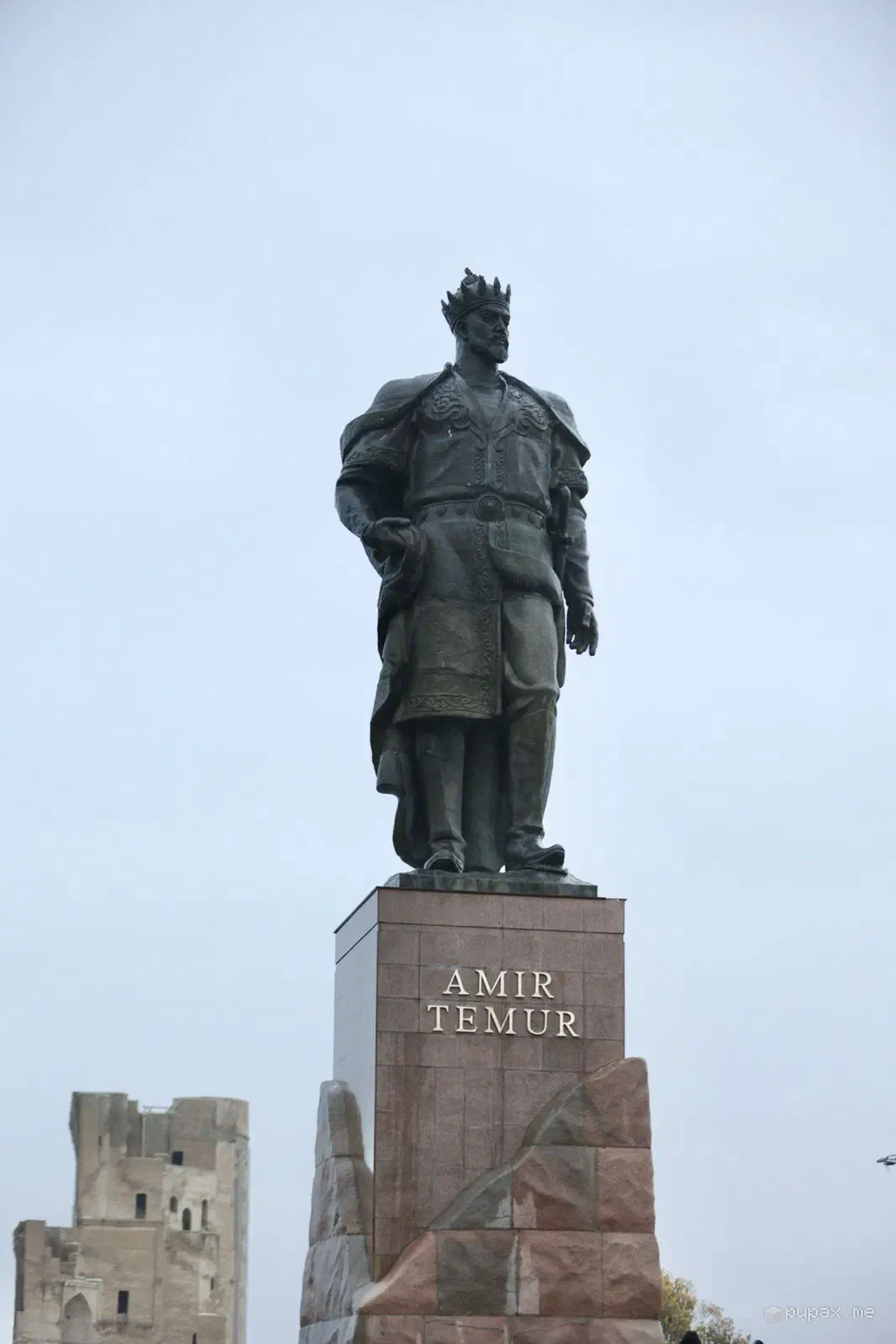
- ShahrisabzAk-Saray and the statue of Tamerlane
- SamarkandBy daylight, this time
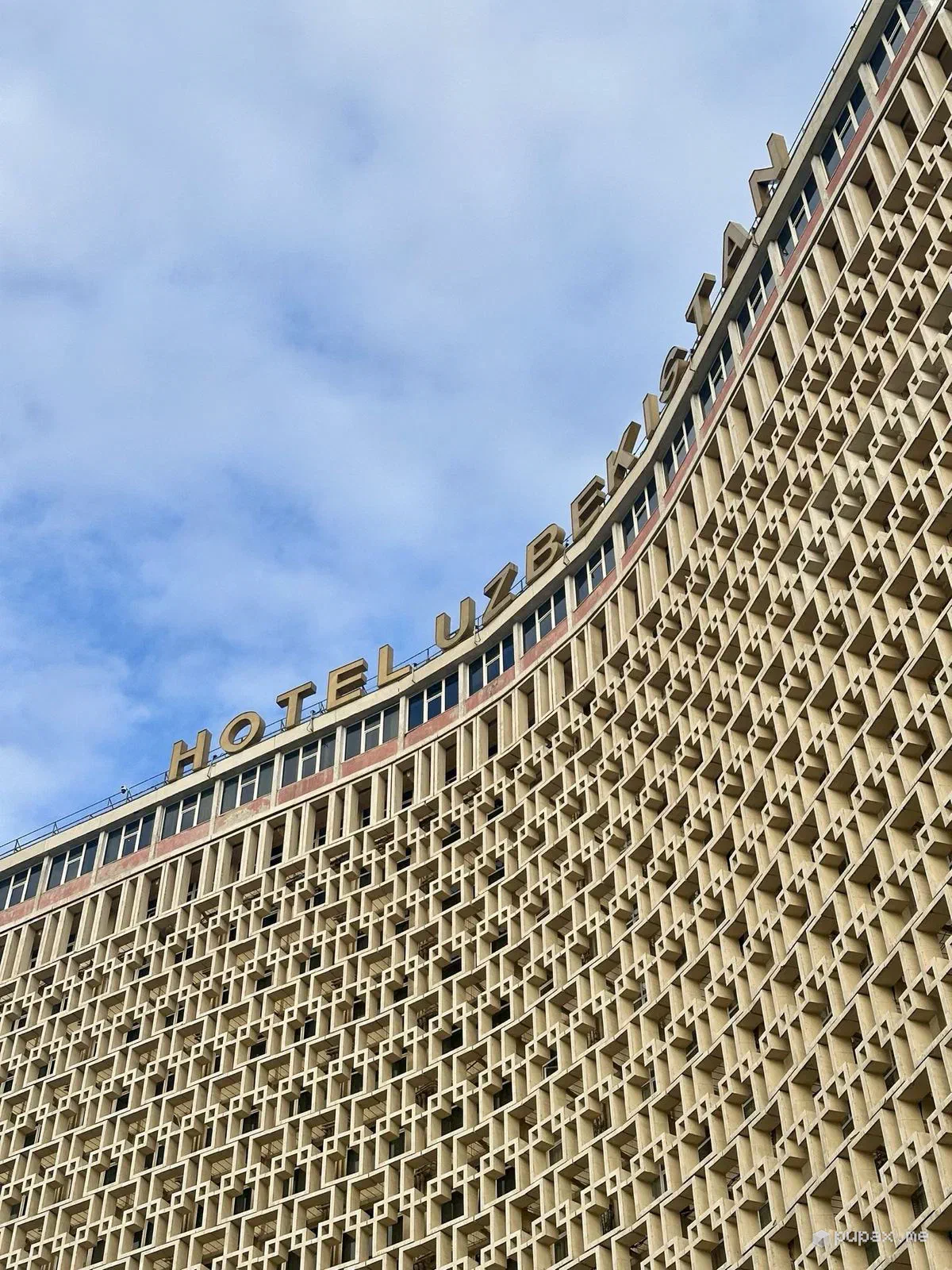
- TashkentThe Soviet metro and Hotel Uzbekistan
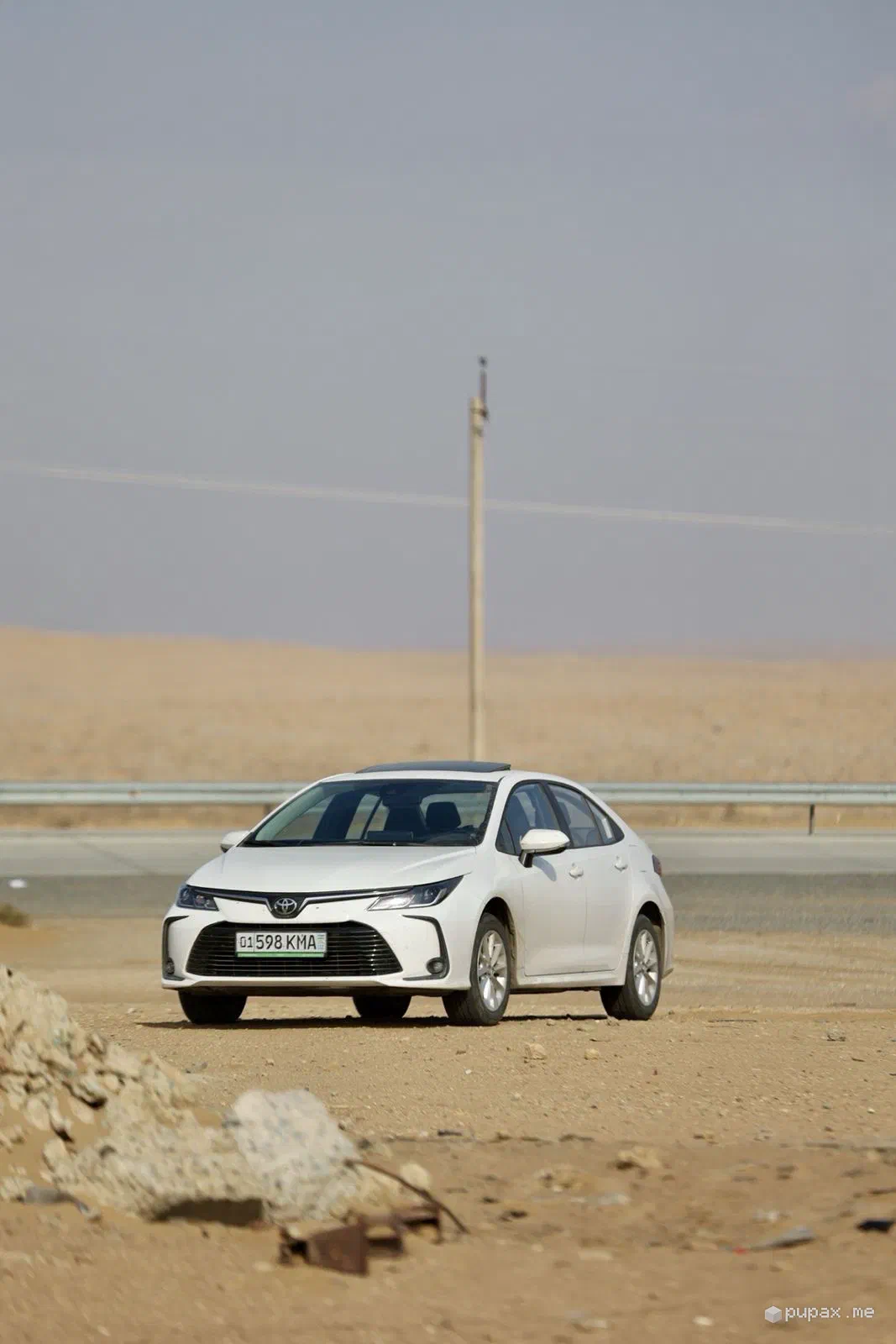
Francesco Lietti and I drove around Uzbekistan between the end of October and the beginning of November 2024. Eleven days, a white rental Toyota Corolla and a final summary that says it all: 3,052 km, 5 borders, 5 stops, ∞ onions. The infinite onions are not a metaphor: we really did eat a lot of them.
Samarkand and Bukhara
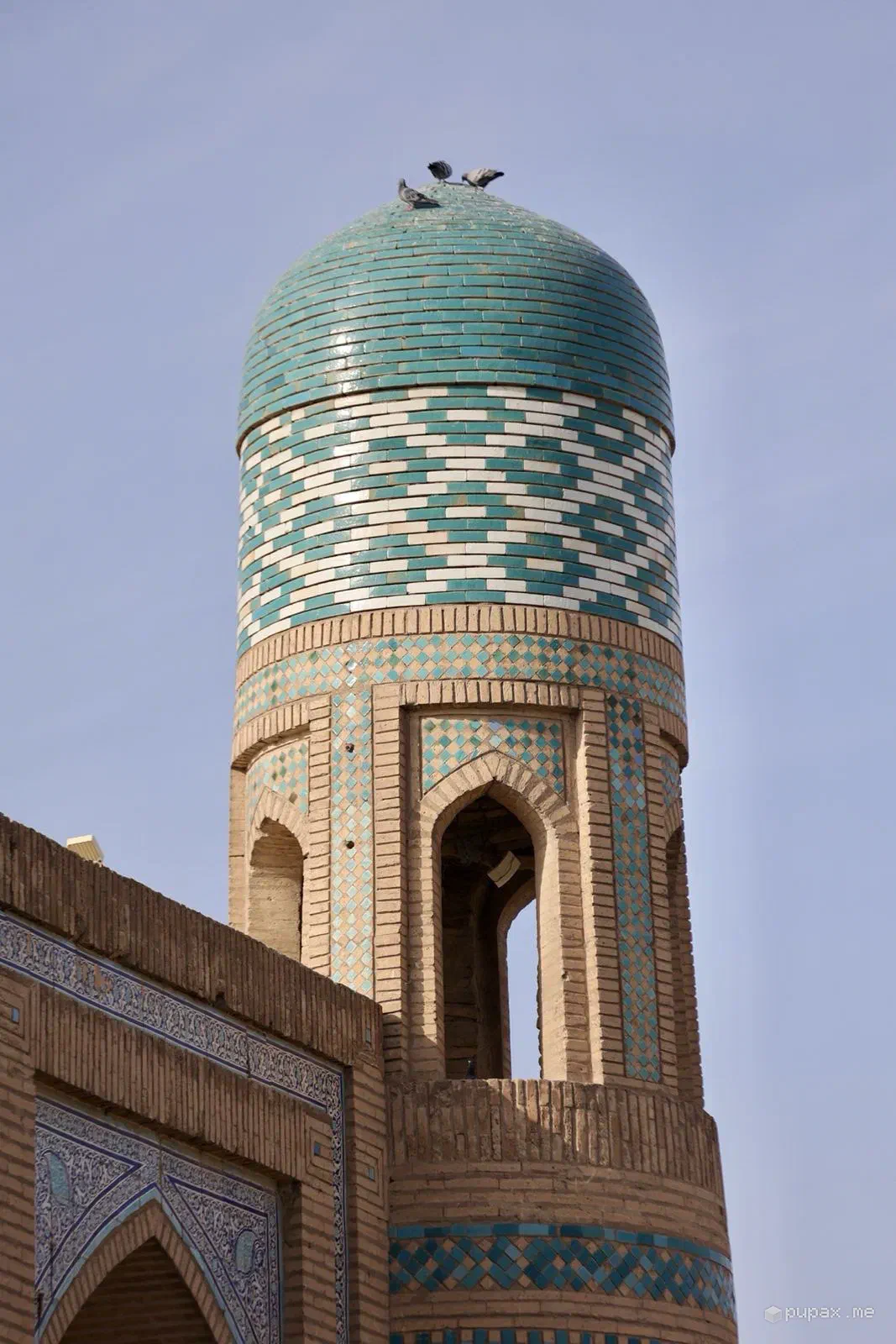
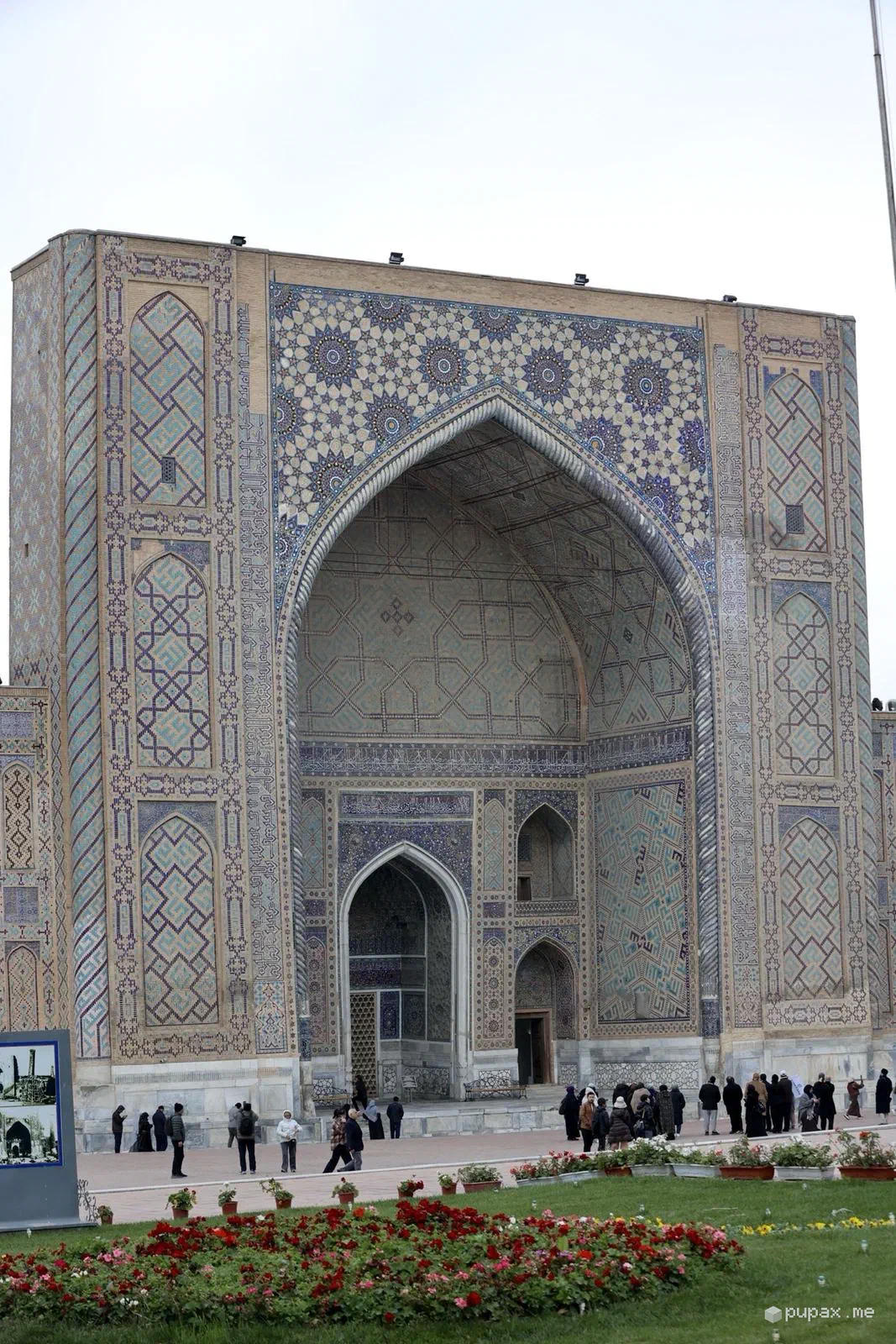
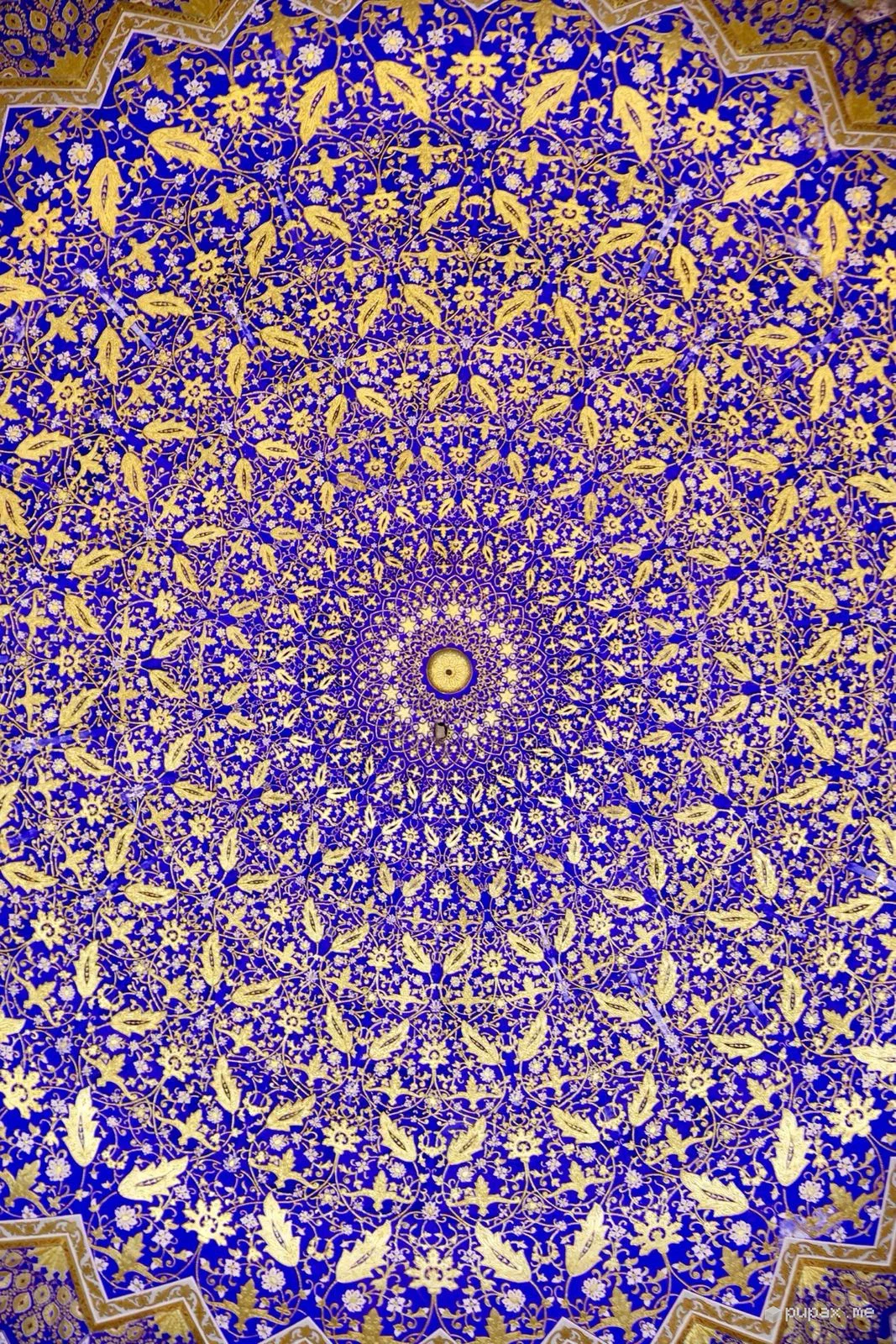
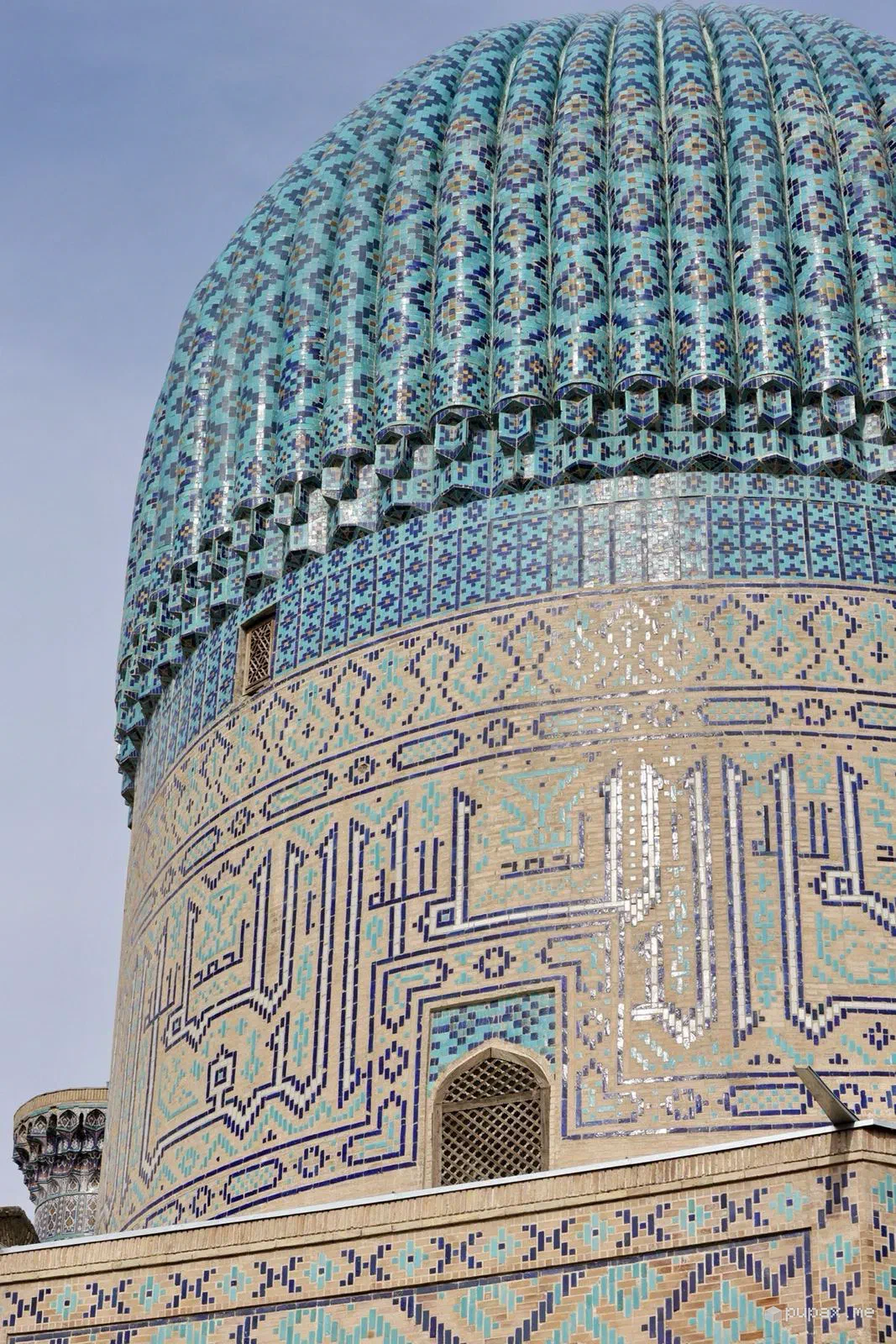
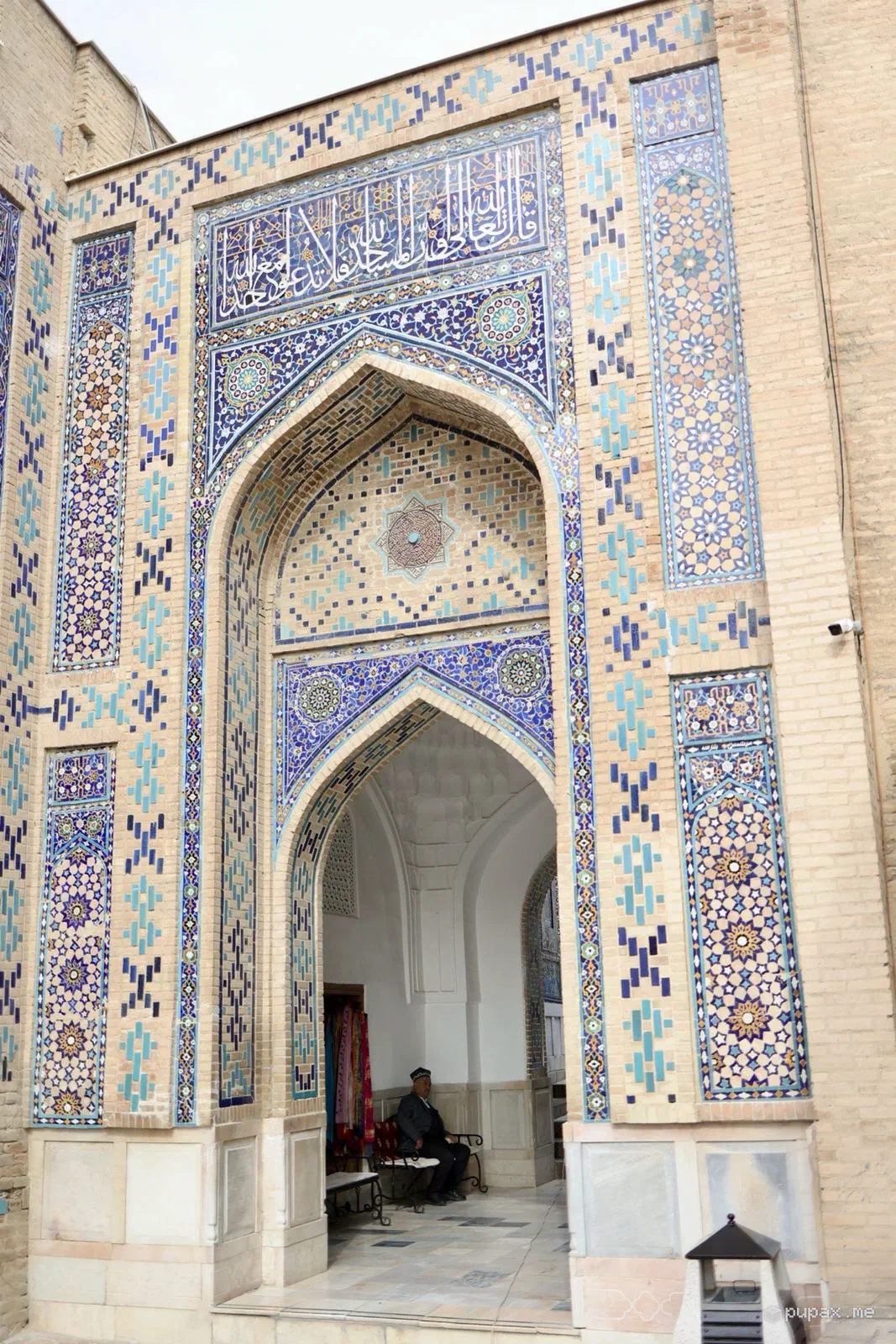
I’m bad at describing Samarkand and Bukhara in words, because I photographed them almost entirely in close-up: turquoise tiles, ribbed domes, gilded muqarnas ceilings, the Registan lit up at night, Bukhara’s minaret behind a courtyard. It’s a place to explore with your head tilted back.
Khiva and its people
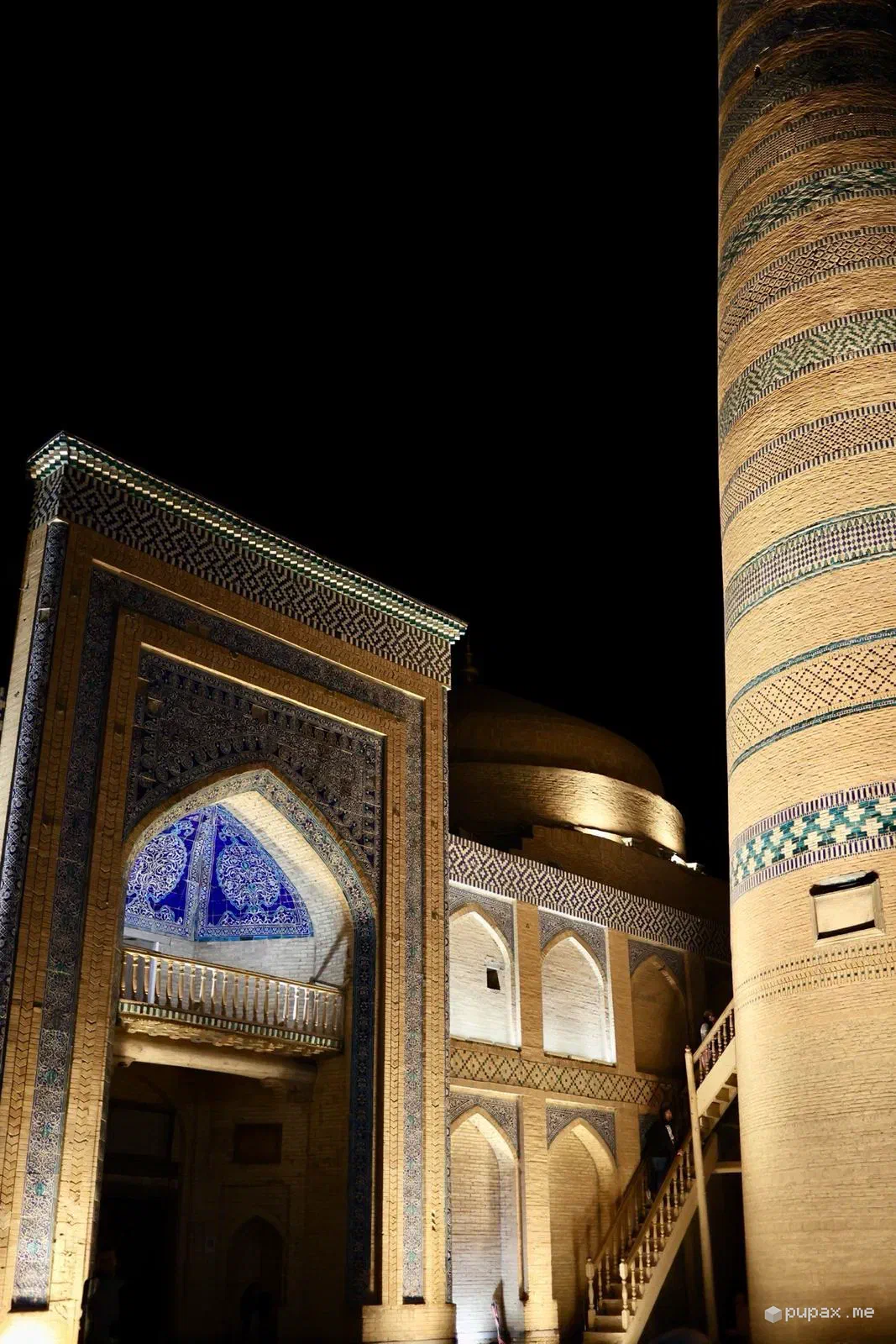
We reached Khiva at night, with the gates in the city walls lit up.
The Aral Sea
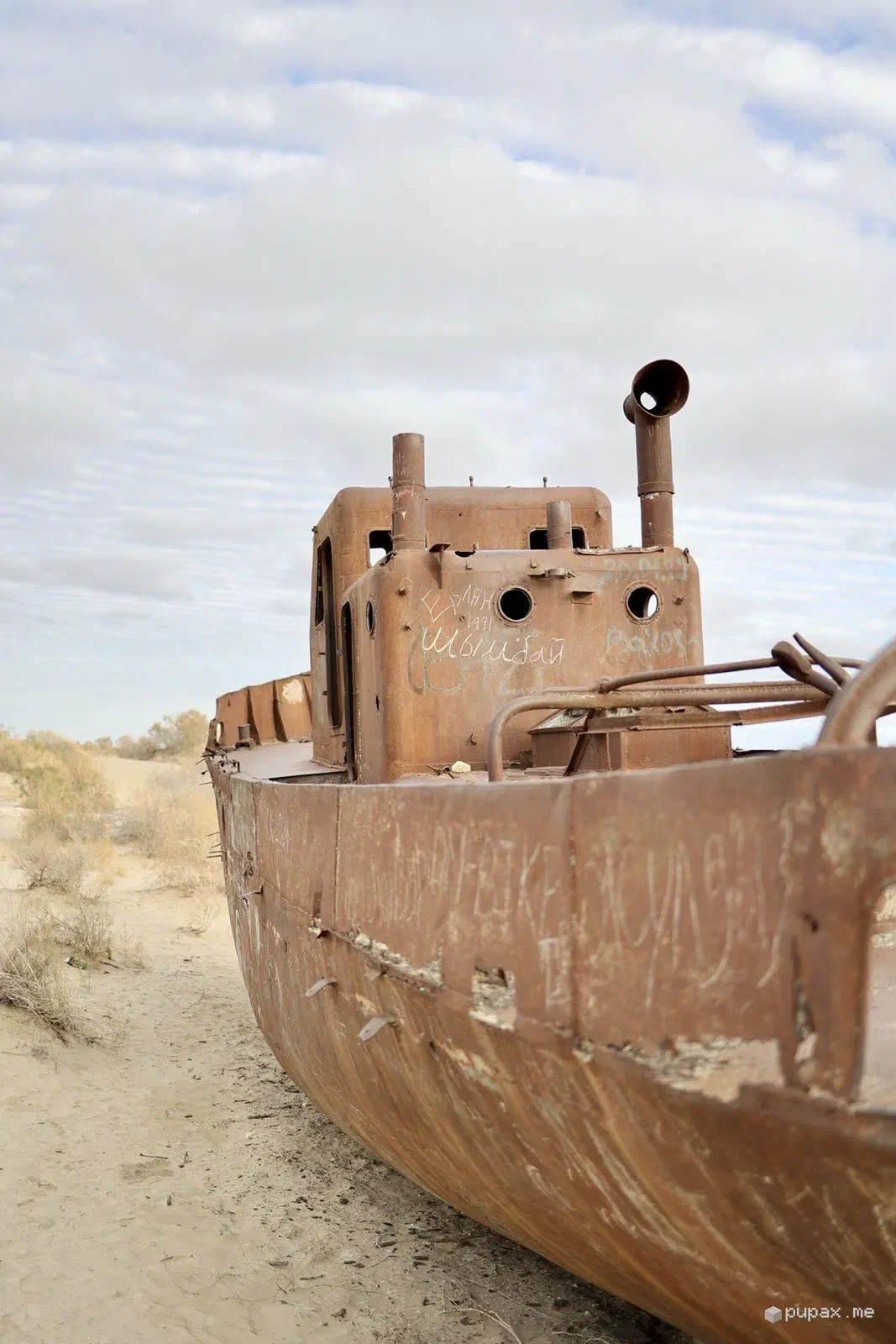
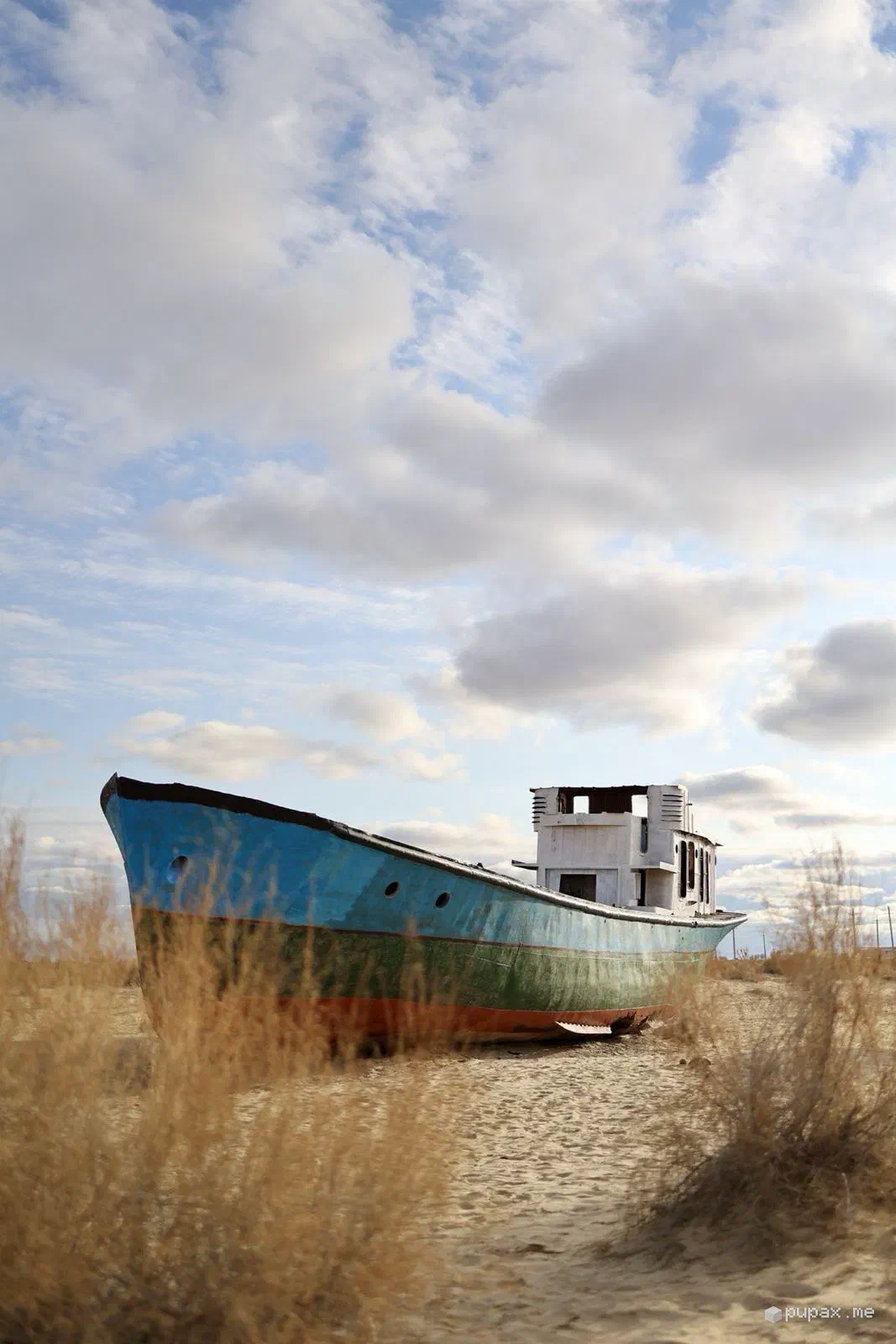
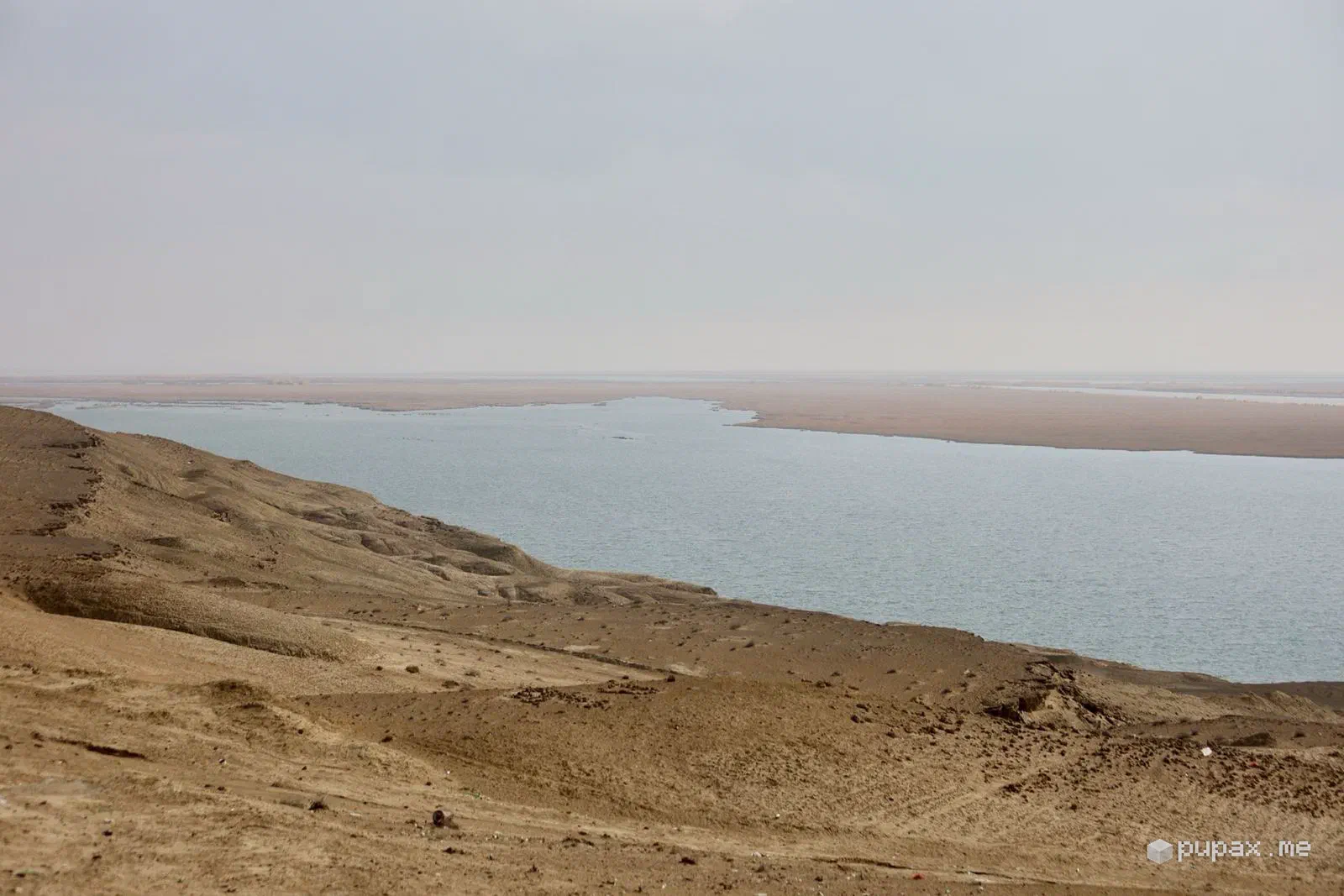
The reason we pushed all the way to the top of the country is Moynaq. It used to be a port on the Aral Sea; today the ships lie rusting in the sand, under a sky full of stars, and the lake has retreated far away. To get there we hired a guide who only spoke Russian, and he took us across the dried-up seabed, past Kamaz lorries, stranded fishing boats and home-made vehicles with enormous wheels, all the way to the shore of what’s left. It was very striking.
Hours in the car
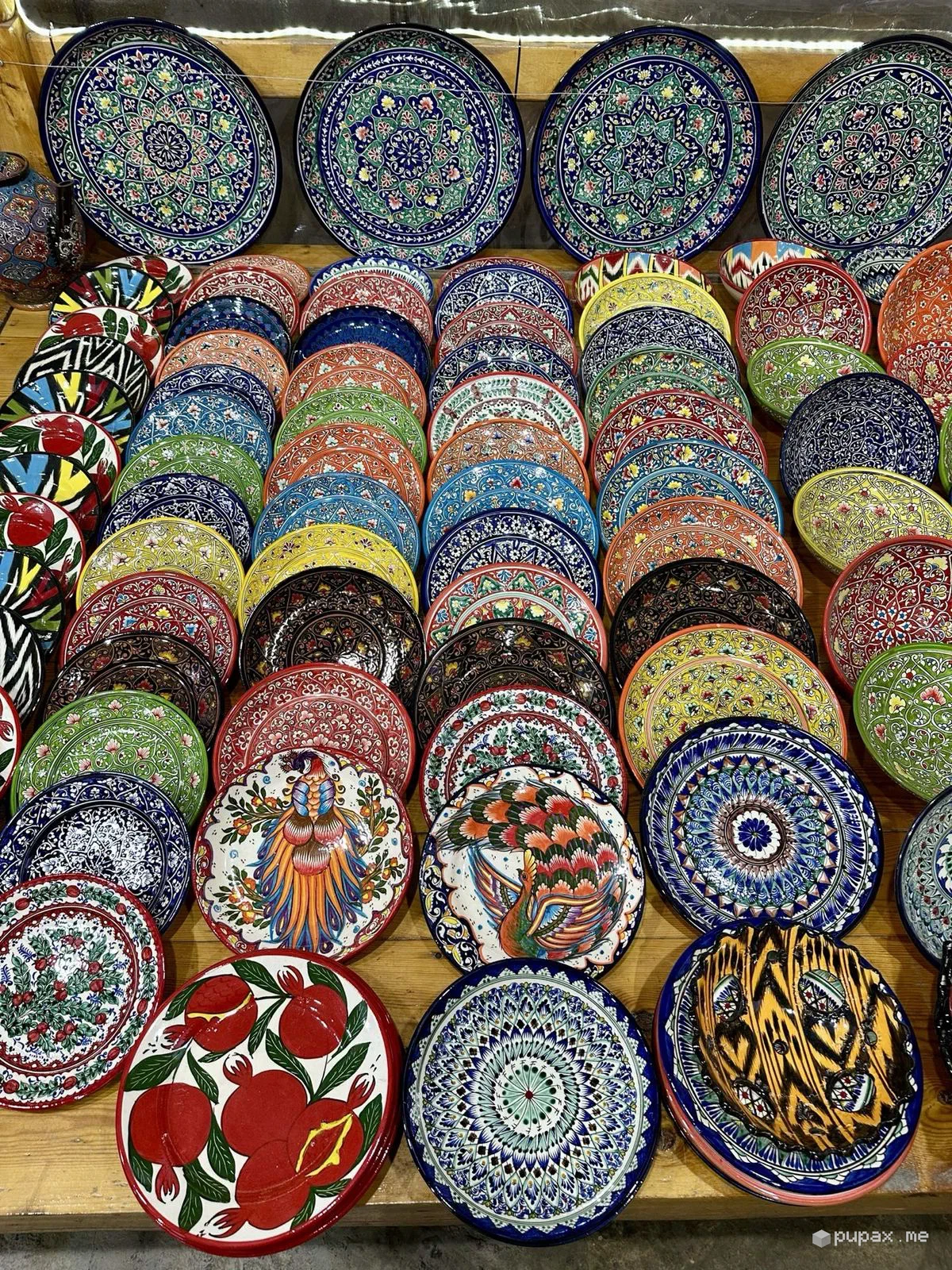
The price for all this is the hours of driving, endless ones, on straight roads through the desert. It’s one of the few moments, across all my trips, when I asked myself whose idea this was. In return: a camel crossing the tarmac at sunset, a lonely hut in the middle of nowhere, a photo at the border with Turkmenistan. Then Bukhara again, the ruins of Ak-Saray in Shahrisabz with the statue of Tamerlane in the rain, and Samarkand by day, with the craftsmen’s hand-painted plates.
Tashkent
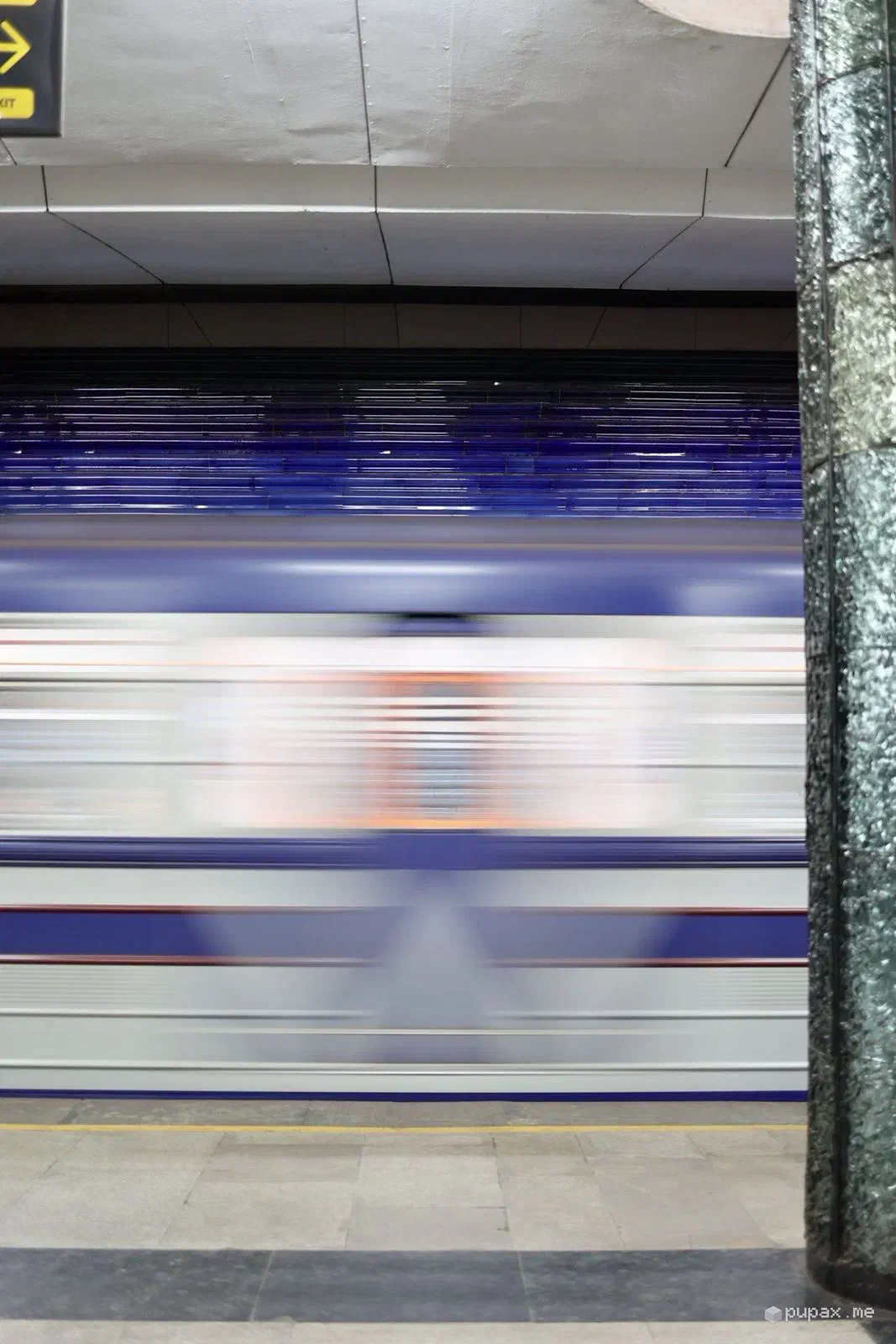
The finale was in Tashkent, underground: the Soviet metro stations, with glass chandeliers, mosaic columns and the medallion of cosmonaut Dzhanibekov at Kosmonavti station. Then the dome of the Hast Imam mosque and Hotel Uzbekistan, as brutalist as they come.
Practical notes
- Distances are huge: expect whole days in the car, we covered over 3,000 km.
- To reach the Aral Sea we hired a guide: ours only spoke Russian, but he took us where we needed to go.
- The Tashkent metro is worth a ride even if you’re not going anywhere.